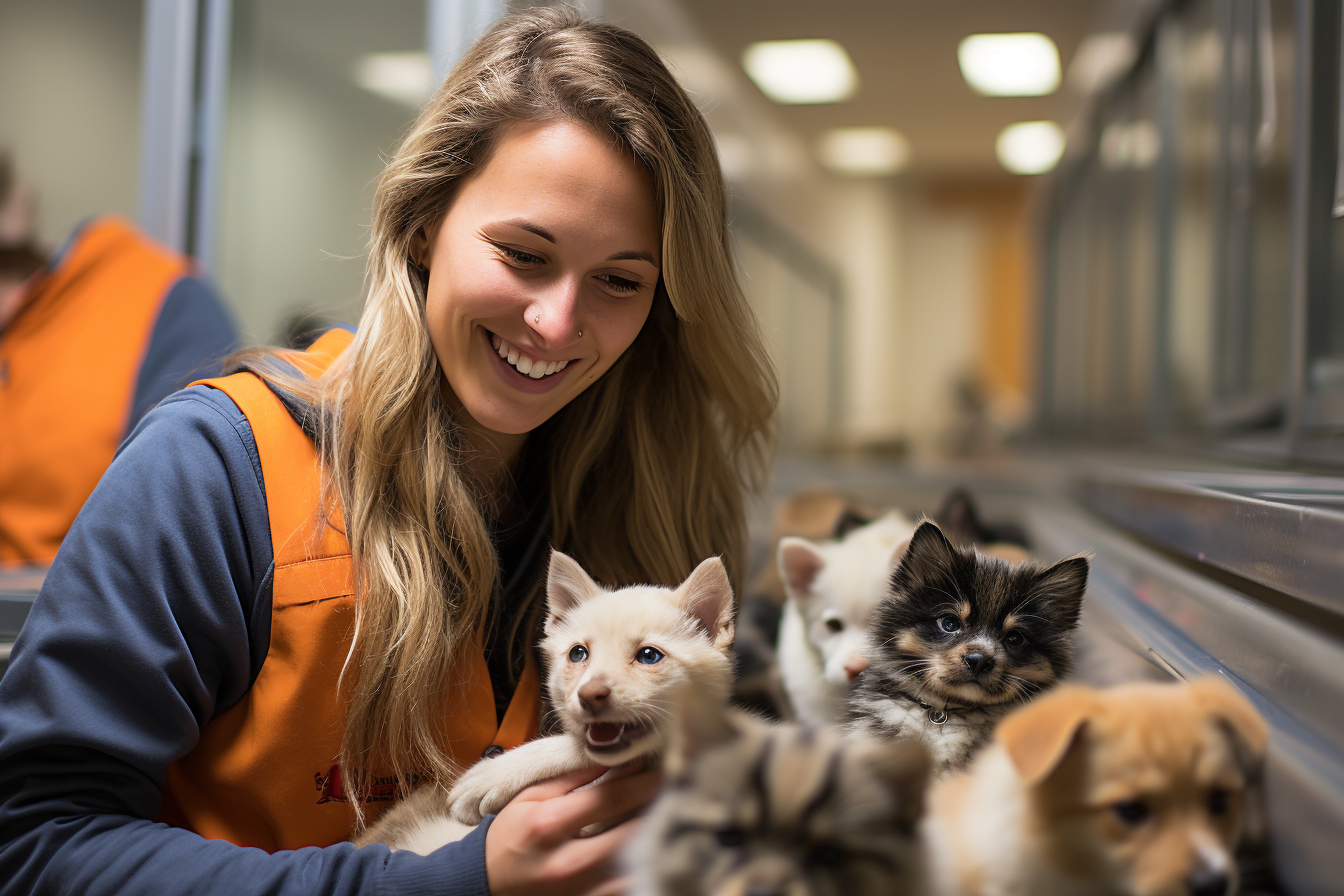

Last night, while I was putting up the Christmas tree, Whisky my cat went after Médor’s paws for the fifth time in a week. If your own home also turns into a small battlefield between dog and cat during the holidays, there is a good reason: Christmas can shake up the routines and instincts of even the calmest pets.
It is easy to forget that what feels festive to us can feel chaotic to them. Lights, new smells, visitors, strange objects, changed schedules, and our own end-of-year stress all build a very different atmosphere from the one they know the rest of the year. In my experience with three cats and one dog, the holiday season tends to magnify tensions that were already there. The good news is that a few simple adjustments can make a real difference, both for the peace of the household and for the survival of the decorations.
Why Christmas can wake up their defensive instincts
When the whole house suddenly looks different, pets often lose the sense of predictability that makes them feel safe. A decorated living room may be beautiful to us, but for an animal it can feel like the environment has changed overnight. That is especially true for cats, who are usually very attached to territory and routine, and for dogs that rely on familiar landmarks and habits to understand what is happening around them.
The sparkling lights can disrupt visual cues. The scent of a Christmas tree can mask the smells they normally use to mark and recognize their space. New ornaments, moving furniture, and wrapped gifts all create extra stimulation. Add guests, noise, unusual activity, and shorter moments of calm, and it becomes much easier for irritation to turn into conflict.
Did you know? According to behavioral observations, a cat stressed by environmental change may become up to three times more aggressive toward other animals in the home.
That does not mean your pets are suddenly being difficult on purpose. More often, they are simply reacting to an overload of stimulation. A dog that is already on edge may tolerate less. A cat that feels its space is being invaded may start to guard corners, furniture, or access routes more aggressively. In a house full of holiday bustle, even a small misunderstanding can escalate quickly.
Warning signs I learned to watch for
Over time, I started to recognize the tiny signals that come before a real fight. Whisky often begins by staring hard at Médor from the back of the sofa. His pupils widen, his ears twitch, and every muscle in his body seems to hold still. Médor, in turn, becomes tense, raises his head, and keeps his body stiff as if he is trying to decide whether to ignore the situation or respond.
Those early signs are easy to overlook because they are quiet. The tension becomes more visible only when a trigger appears: the rustle of wrapping paper, the doorbell ringing, a guest crossing the room, or one animal getting too close to the other’s food bowl. At that point, the warning has already been building for several minutes.
In my living room, the biggest clashes almost always happen near the Christmas tree. That is no accident. The tree becomes the new center of attention, full of scents, movement, dangling objects, and tempting hiding places. For animals, it can feel like an obstacle, a toy, and a territorial threat all at once.
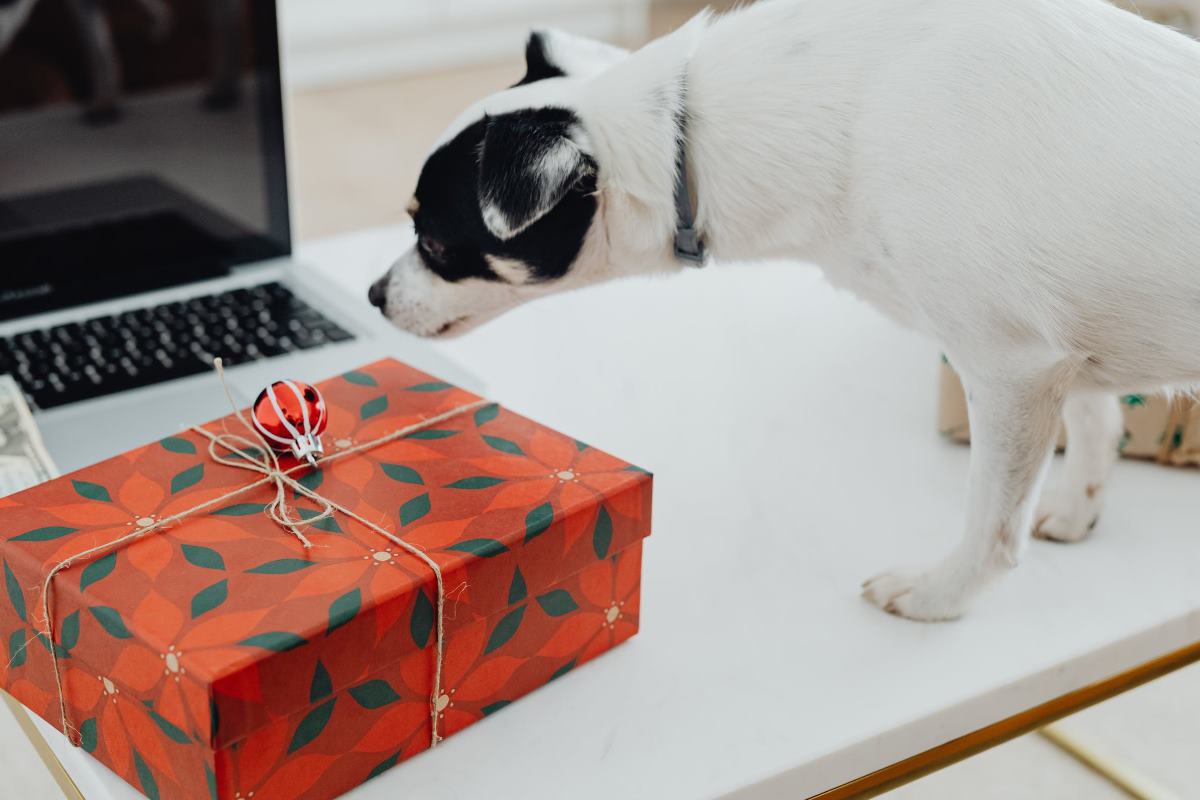
My 4 tested ways to keep the peace at home
Create safe retreat areas
Every animal needs a place where it can withdraw when the pressure rises. I set up a cat tree in my bedroom for Whisky, away from the noise and movement in the main living space. Médor’s bed moved into the office, along with his favorite blanket, which still carries a familiar scent and seems to reassure him immediately.
The important thing is not just to give them somewhere to go, but to make sure they can use that space without being followed, cornered, or disturbed. A retreat area only works if it truly feels like a break from the rest of the house.
Keep comforting routines in place
Even when the holidays are hectic, I try to keep meals, walks, and cuddle time on the same schedule. Predictability helps pets feel secure. Whisky still gets his 10 minutes of purring on my lap in the morning, and Médor still goes out for his walk at the same time every day.
These small rituals matter more than they may seem. When the house is full of unusual activity, familiar patterns tell animals that not everything has changed. That sense of continuity often reduces anxiety before it turns into irritability.
Use calming pheromones
One of the best investments I made was a pheromone diffuser for cats and another for dogs, plugged in about 15 days before the holidays. The effect became noticeable within the first week. Médor seemed less reactive, and Whisky stopped hissing at every little noise.
Results can vary, of course, but products like these can support a calmer atmosphere when combined with other good habits. They are not magic, but they can help take the edge off a stressful season.
Keep them busy with separate activities
While I decorate, each pet gets something else to focus on: a food puzzle for Whisky on one side of the room and a chew bone for Médor on the other. It is much harder to argue when everyone has something interesting to do.
Separating activities also helps reduce competition. If one animal is occupied and the other is not, there is less opportunity for rivalry over attention, space, or toys. That alone can lower the risk of confrontation during the busiest moments of the day.
My extra tip: A single drop of diluted lavender essential oil on each pet’s bedding can help create a more relaxing atmosphere. Never apply it directly to the animal.
When it is time to ask for help
Last year, despite all my efforts, the tension escalated into a real fight with scratches. That was the moment I understood that I needed professional advice. A specialist explained that some animals can develop lasting holiday-related fears if stressful situations are repeated without support.
If your pets are fighting violently, hiding for days, or refusing to eat, it is worth speaking to a behaviorist or veterinarian. Sometimes the problem is not just “bad behavior,” but a genuine emotional reaction to stress. A bit of outside help can prevent the situation from becoming a long-term issue.
It is also important not to wait until every holiday season becomes a crisis. The earlier you notice signs of tension, the easier it is to make small changes that protect both animals. In many homes, a few adjustments to the environment are enough to prevent the worst conflicts.
Making Christmas feel safe again
Today, my four companions live peacefully together under the tree. Whisky even sleeps against Médor on some evenings. That harmony did not happen by chance. It came from understanding that the holidays are only magical for pets when they feel secure enough to enjoy them.
Christmas does not have to mean chaos for dog and cat. With calm routines, clear retreat spaces, reduced competition, and a little preparation before the festivities begin, the house can stay festive without becoming overwhelming. For animals, comfort is often what makes the season bearable; for the humans in the house, it is what keeps the peace.
As my veterinarian once told me: “A relaxed animal at Christmas is a gift the whole family opens together.”
latest posts published

Dog Subscription Box: Which Is the Best Choice Between Woufbox, Vivadogs, and Bonjour Eustache? – rolunar
How to Keep Bats Out of Your Home – rolunar
Which Cleaning Fish Can Help Maintain Ecological Balance in Your Aquarium? – rolunar
10 Easygoing Dog Breeds That Are Easy to Live With
Domestic Snake Insurance: Complete Guide 2026
What to Do When Your Cat Is Cold?
Constipated Dog: When Should You Worry, and What Should You Do?
When Dogs and Cats Fight at Christmas: Causes and Solutions
Why Are Cats Afraid of Cucumbers? The Truth