
Key Takeaways
- If a dog has not passed stool for more than 48 hours, a veterinary visit is needed, even if no other symptoms are obvious.
- Regular exercise and constant access to fresh water are two of the simplest ways to help prevent constipation.
- Older dogs and vulnerable puppies need closer monitoring because their digestive systems are less able to cope with prolonged problems.
How long can a dog go without pooping?
It can happen that a puppy or adult dog experiences a brief spell of constipation and then returns to normal the next day. In many cases, it is reasonable to wait 24 to 36 hours before becoming too concerned or contacting a veterinarian.
A healthy dog with normal intestinal transit generally defecates about twice a day. When constipation becomes persistent, it may point to a more serious health problem.
Constipation in dogs may require tests, an enema, or even surgery if an obstruction is present. Check my price in 2 minutes for dog insurance and prepare for possible veterinary costs.
How much does it cost to treat constipation in a dog?
| Treatment | Average price without insurance | What it includes |
|---|---|---|
| Veterinary consultation | €30 to €60 | Physical examination, discussion with the owner |
| Emergency consultation (if pain is significant) | €70 to €150 | Rapid care, evenings or weekends |
| Rectal examination | Included or €20 to €50 | Checks for fecal impaction, mass, or abnormality |
| Abdominal X-ray | €50 to €120 | Looks for stool buildup or a foreign body |
| Abdominal ultrasound | €80 to €150 | Examines digestive organs and looks for an underlying cause |
| Blood tests | €50 to €120 | Assesses overall condition, dehydration, metabolic disorders |
| Enema (stool removal) | €50 to €150 | Performed at the clinic, sometimes under sedation |
| Medication (laxatives, lubricants, pain relief) | €20 to €60 | Medical management of constipation |
| Hospitalization (for severe cases) | €50 to €200/day | Monitoring, fluids, intensive care |
| Surgery (rare, severe obstruction) | €500 to €1500 | Procedure for obstruction or complications |
What causes constipation in dogs?
The causes of constipation in dogs can vary widely:
- Low-fiber diet: An unbalanced diet, especially one low in fiber, can slow intestinal transit. Dry kibble or unsuitable food is often the reason.
- Dehydration: When a dog does not drink enough, stools become harder and more difficult to pass, which contributes to constipation.
- Swallowing foreign objects: Dogs may eat non-digestible items such as bones, toy pieces, or hair, which can create an intestinal blockage.
- Lack of exercise: A sedentary dog is more likely to become constipated because activity helps stimulate bowel movement.
- Pain during defecation: Pain linked to anal problems, such as abscesses or tumors, may cause a dog to hold back stool, leading to constipation.
- Medical conditions: Problems such as prostate enlargement, tumors, orthopedic disease, endocrine disorders, or neurological disease can disrupt intestinal function.
- Medication: Some drugs, including painkillers and diuretics, can slow intestinal motility.
|
A healthy dog usually defecates 1 to 3 times a day, depending on diet and activity level. Going more than 48 hours without stool is not normal and should prompt a veterinary consultation. |
Signs of severe constipation in dogs
Severe constipation in a puppy or adult dog causes stronger symptoms than mild constipation and can affect the dog’s overall condition.
Your dog may seem unusually tired or lethargic. Vomiting may also occur more often, which can signal a more serious digestive disorder.
- An abdominal area that feels tense and painful is another sign of severe constipation.
- A hunched posture or difficulty urinating may also be observed.
- Loss of appetite is another warning sign and may reflect general discomfort.
In the most serious cases, a dog may develop gas buildup, also known as ileus, which can be fatal if not treated. If these signs appear, urgent veterinary care is necessary.
Health risks for a constipated dog
Constipation can affect a dog’s health in several ways. It may worsen the dog’s overall condition, causing unusual fatigue, loss of appetite, or vomiting. The abdomen may also become hard, swollen, and painful. If constipation is left untreated, it can lead to serious complications such as intestinal obstruction.
As fecal matter builds up in the colon, the intestinal wall stretches, which further reduces bowel motility.
Constipation can also be a symptom of underlying illnesses that affect the digestive tract and may eventually lead to more serious complications. In addition, constipation that is prolonged or recurring can indicate an improper diet or a weakened state of health.
Intestinal obstruction is a veterinary emergency. Warning signs include repeated vomiting, often after eating or drinking, a complete absence of stools, or diarrhea. The dog may also show abdominal pain, such as whining or a hunched posture.
If you notice these signs, see a veterinarian immediately. The diagnosis may be confirmed with an X-ray or ultrasound.
Constipation in puppies
Constipation in puppies shows up as difficulty passing stool, repeated straining without success, or hard, dry stools. It may be caused by a low-fiber diet, dehydration, or lack of exercise. Stress or medical problems such as parasites or intestinal blockage can also be responsible.
To help a constipated puppy, it is advisable to offer a fiber-rich diet, ensure good hydration, and encourage exercise. If constipation continues, a veterinary visit is necessary.
What should you do when a dog is constipated? When should you see a vet?
When a dog is constipated, it will try to get into position to defecate but may be unable to pass stool, or only small, dry, hard droppings may come out. Straining can be painful, and the dog may whimper. Blood may also be present.
A constipated dog is often less energetic. It may lose its appetite and show digestive upset, including vomiting. The abdomen may appear more bloated than usual. A visit to a veterinary clinic is therefore recommended so that additional tests can be performed and the dog can be treated and relieved quickly.
Santévet dog insurance reimburses veterinary expenses related to illness and/or accidents: consultations as well as any tests, treatments, procedures, and hospitalization that may be required.
If you notice that passing stool has become difficult and painful for your dog, make an appointment and see your veterinarian promptly. The same advice applies in the case of diarrhea. If constipation lasts too long, it can trigger an intestinal obstruction, which may be fatal and can require surgery.
It is recommended to consult a veterinarian if your dog’s constipation lasts more than 48 hours or if it is accompanied by other concerning signs, such as vomiting.
If your dog is older and sedentary, intestinal motility may be reduced, which increases the risk of constipation. In that case, veterinary advice is also needed to avoid complications.
You should also seek prompt care if your dog has swallowed a foreign object, such as a toy, string, a piece of wool, or a bone, because this can cause constipation or even a bowel obstruction. Finally, blood in the stool is a veterinary emergency that requires immediate attention.
When constipation occurs, the first step is for the veterinarian to make a diagnosis and rule out serious causes using a rectal exam, imaging, abdominal palpation, or blood work. These checks help exclude intestinal obstruction, swallowing a foreign body such as a bone, or blocked anal glands. These conditions may require surgery or specific treatment.
If serious causes are ruled out, constipation can then be relieved in several ways.
Good hydration
Your dog may be constipated because it is not drinking enough. In that case, increase water intake with wet food or vegetables mixed into kibble. Water-rich fruit such as watermelon (seedless) can also help, especially in hot weather. Vegetables such as zucchini or green beans are high in fiber and act as natural laxatives, helping intestinal transit.
How can you help a dog pass stool?
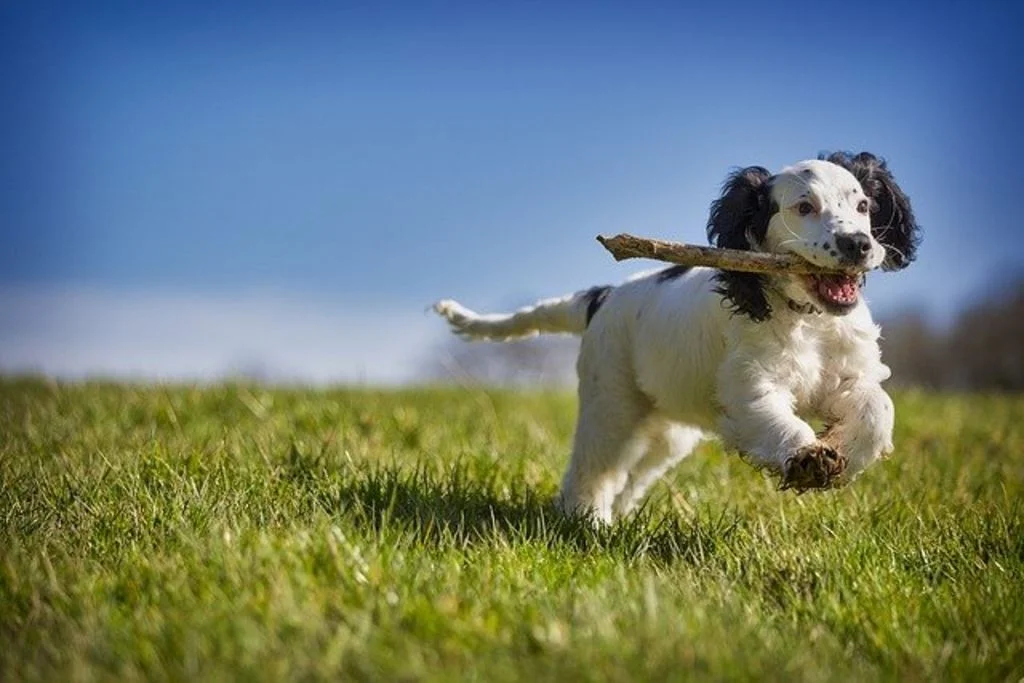
Walks and play are excellent for maintaining fitness and supporting healthy bowel function. Daily walks and regular exercise can help your dog defecate more easily and with less discomfort. A healthy lifestyle is important for both health and wellbeing.
Regular activities are worth offering because a sedentary lifestyle encourages constipation in our pets.
Persistent constipation can reveal a more serious problem that needs prompt treatment. Speak with a Santévet advisor about my dog insurance and find the most suitable option.
What should you feed a constipated dog?
Why fiber matters in a dog’s diet
Fiber plays an essential role in preventing and treating constipation in dogs. It helps speed up intestinal transit, regulate stool consistency, and support healthy digestion.
Insoluble fiber, rich in cellulose and lignin, draws water into the stool and makes it easier to pass. Soluble fiber forms a viscous gel, which slows digestion and helps with satiety.
A fiber-rich diet is therefore recommended for dogs struggling with constipation. Several sources of fiber can be added to a dog’s meals:
| Food category | Examples | Benefits |
| Green vegetables | Lettuce, broccoli, spinach | Rich in insoluble fiber, help intestinal transit |
| Fruit | Apple, pear | Source of soluble and insoluble fiber, supports digestion |
| Whole grains | Oats, oat bran | Very high in fiber, stimulate transit effectively |
In some cases, fiber supplements such as psyllium may be helpful. However, it is always best to ask a veterinarian before adding any supplement to your dog’s diet.
Vegetables to give a dog with constipation
Vegetables are an excellent source of fiber and can help ease constipation in dogs. Some are especially useful. For example, zucchini, which is rich in fiber and water, can support intestinal transit. It also contains important nutrients such as vitamin C, vitamin K, and potassium.
Spinach and green beans are also considered good choices for constipated dogs. They provide fiber as well as vitamins and minerals, which can help reduce constipation and support overall health.
Pumpkin can also be a very useful addition to the diet of a constipated dog. Rich in fiber and water, it supports digestion and may help both prevent and correct constipation.
Remember that all of these vegetables should be cooked and given in small amounts to avoid digestive upset.
Olive oil, paraffin oil… Which oil should you give a constipated dog?
Oils should not be given at home to a constipated dog. Always ask a veterinarian first, because using the wrong product can cause serious problems.
Laxatives and medicines for treating constipation in dogs
When should a laxative be used?
A laxative should always be given under veterinary supervision to avoid complications.
Laxatives made specifically for dogs are preferable, because products intended for humans can be too strong for an animal’s body. Before using any laxative, it is crucial to make sure the constipation is not caused by a more serious problem that needs specific treatment.
How do you give a dog a laxative?
Giving a laxative to a constipated dog must be done carefully and always under veterinary guidance. Dog laxatives are available in several forms: paste, liquid, tablet, or even an enema. Choose the form that is most suitable for your pet.
- For an oral laxative, mix it with your dog’s food to make it easier to swallow.
- If you have a paste laxative, you can apply it directly to your dog’s paw. The dog will lick it off and ingest the medication.
- Some laxatives can also be given rectally, such as an enema. Enemas should be administered by a veterinarian.
Proper follow-up is essential after giving a laxative so you can monitor whether the constipation is improving.
Medicines to avoid if your dog is constipated
It is essential to avoid certain medications that may worsen constipation. For example, anti-diarrheal drugs such as antispasmodics can slow intestinal transit. Likewise, morphine and related drugs can cause drug-induced constipation.
Santévet’s advice : never give human medication to your dog without veterinary approval. The effects may be too strong for your companion. If in doubt, always consult an animal health professional before administering any medication to a constipated dog.
In short, constipation in dogs is fairly common. Its causes vary, from dietary issues to more serious diseases. If your dog has shown signs of constipation for more than 24 hours, do not hesitate to contact your veterinarian. The vet can perform the necessary tests, identify the cause, and start the right treatment. In some cases, natural measures can also help support your dog’s bowel function over the long term.
Frequently asked questions
How much does a dog X-ray cost?
A dog X-ray usually costs between €50 and €120. The price can vary depending on the body area being examined, the number of images needed, and whether sedation is required, especially if the dog is painful or cannot stay still. This test is often used to diagnose severe constipation, intestinal obstruction, or a foreign body.
What are the signs of intestinal obstruction in dogs?
Intestinal obstruction is a veterinary emergency. The most common signs are repeated vomiting, no stool, lethargy, loss of appetite, and abdominal pain, such as whining, an abnormal posture, or reluctance to move. The abdomen may feel tense or swollen. In some cases, diarrhea or repeated unsuccessful attempts to defecate may also occur. Fast treatment is essential because the condition can become serious quickly.
What treatment can I buy at a pharmacy for dog constipation?
It is strongly discouraged to give any treatment without veterinary advice. Some products available in pharmacies, such as mild laxatives or digestive protectants, may be used in dogs, but the dose and suitability must be confirmed by a veterinarian. For mild constipation, simple measures may already help: increase hydration, adjust the diet to include more fiber, and encourage exercise. However, if constipation lasts more than 24 to 48 hours or is accompanied by pain or vomiting, a consultation is essential to rule out an obstruction or another serious cause.
Sources:
- Washabau RJ, Day MJ. Canine and Feline Gastroenterology. Elsevier; 2013.
- Ettinger SJ, Feldman EC, Côté E. Textbook of Veterinary Internal Medicine. 8th ed. Elsevier; 2017.
- Hall EJ, German AJ. Diseases of the small intestine. In: Textbook of Veterinary Internal Medicine. Elsevier; 2017.
- Fossum TW. Small Animal Surgery. 5th ed. Elsevier; 2019.
Santévet
Leader in pet health insurance
Photos: Pixabay
latest posts published

Dog Subscription Box: Which Is the Best Choice Between Woufbox, Vivadogs, and Bonjour Eustache? – rolunar
How to Keep Bats Out of Your Home – rolunar
Which Cleaning Fish Can Help Maintain Ecological Balance in Your Aquarium? – rolunar
10 Easygoing Dog Breeds That Are Easy to Live With
Domestic Snake Insurance: Complete Guide 2026

What to Do When Your Cat Is Cold?
Constipated Dog: When Should You Worry, and What Should You Do?
When Dogs and Cats Fight at Christmas: Causes and Solutions
Why Are Cats Afraid of Cucumbers? The Truth