

Dogs communicate constantly through their bodies, and their ears are one of the clearest clues they give. A dog with its ears pulled back is not sending a single, fixed message. In some situations, this posture can signal discomfort, insecurity, or fear, especially when it appears alongside whining, a tense body, or a lowered tail. In others, the same ear position may simply reflect excitement, such as when a dog greets a familiar person it is thrilled to see again.
Because the meaning changes with the context, it is essential to look at the whole picture rather than focusing on the ears alone. A dog’s facial expression, tail carriage, posture, and the surrounding situation all help explain what that ear position really means.
Key points to keep in mind
- The position of a dog’s ears is an important indicator of emotional state and behavior.
- Ears held back can mean insecurity, but they can also signal enthusiasm.
- Other body signals and the overall context are necessary for a correct interpretation.
- A veterinarian or canine behavior specialist can help if the behavior seems unclear or concerning.
- Understanding a dog’s body language, including its ears, helps improve communication and trust.
Understanding canine body language
Dogs rely on body language to express feelings, intentions, and reactions. That communication is not limited to the ears. It also involves the tail, eyes, mouth, posture, paw movements, sniffing, barking, whining, and growling. Learning to read these signals makes it easier to understand what a dog is trying to say and to respond in a way that feels appropriate and reassuring.
What dogs communicate with their bodies
- Ears: Forward ears often suggest alertness and interest, while ears pinned back may point to fear, anxiety, submission, or, in some situations, agitation.
- Tail: A tail held high and moving freely often reflects excitement or confidence, whereas a low or tucked tail can indicate fear or submission.
- Eyes: Wide or dilated eyes may appear during stress or fear, while soft, relaxed eyes generally suggest calmness and confidence.
- Lip licking: This can be a subtle sign of stress, nervousness, or discomfort.
- Sniffing: Sniffing is a normal way for dogs to gather information about their environment, and active sniffing may also signal curiosity or interest.
- Vocalizations: Barking, whining, and growling can each serve different purposes, from alerting to asking for attention to warning that a dog feels uneasy.
Every dog has its own habits and personality, so no single gesture should be interpreted in isolation. A relaxed dog may look different from an anxious one, even if both are showing similar ear positions. The most reliable reading comes from combining several signs and considering what is happening around the dog at that exact moment.

How to read other signals in a dog
Beyond ear position, several other signs can help you understand how a dog feels. These details are especially useful when a dog seems uneasy, overstimulated, or difficult to interpret. Looking at the full body rather than one isolated signal gives a much more accurate picture.
- Barking: Barking may express joy, fear, alertness, aggression, or a request for attention. Tone, rhythm, and context matter.
- Squinting: Narrowed eyes can suggest discomfort, threat perception, or rising tension.
- Lip licking: Repeated lip licking often appears when a dog is anxious or preparing for a stressful event.
- Yawning: Dogs may yawn when tired, bored, or stressed, and the gesture can sometimes be a way of calming themselves.
- Tail position: A high, stiff tail may reflect confidence or arousal, while a tucked tail often signals fear or submission.
- Body posture: A dog standing tall and balanced may feel comfortable and confident, while a hunched or withdrawn posture can indicate insecurity or stress.
These cues are most meaningful when read together. For example, ears back with a relaxed body and wagging tail may mean something very different from ears back with a stiff stance, closed mouth, and avoidance of eye contact. Careful observation helps you respond more appropriately and reduces the risk of misunderstanding your dog.
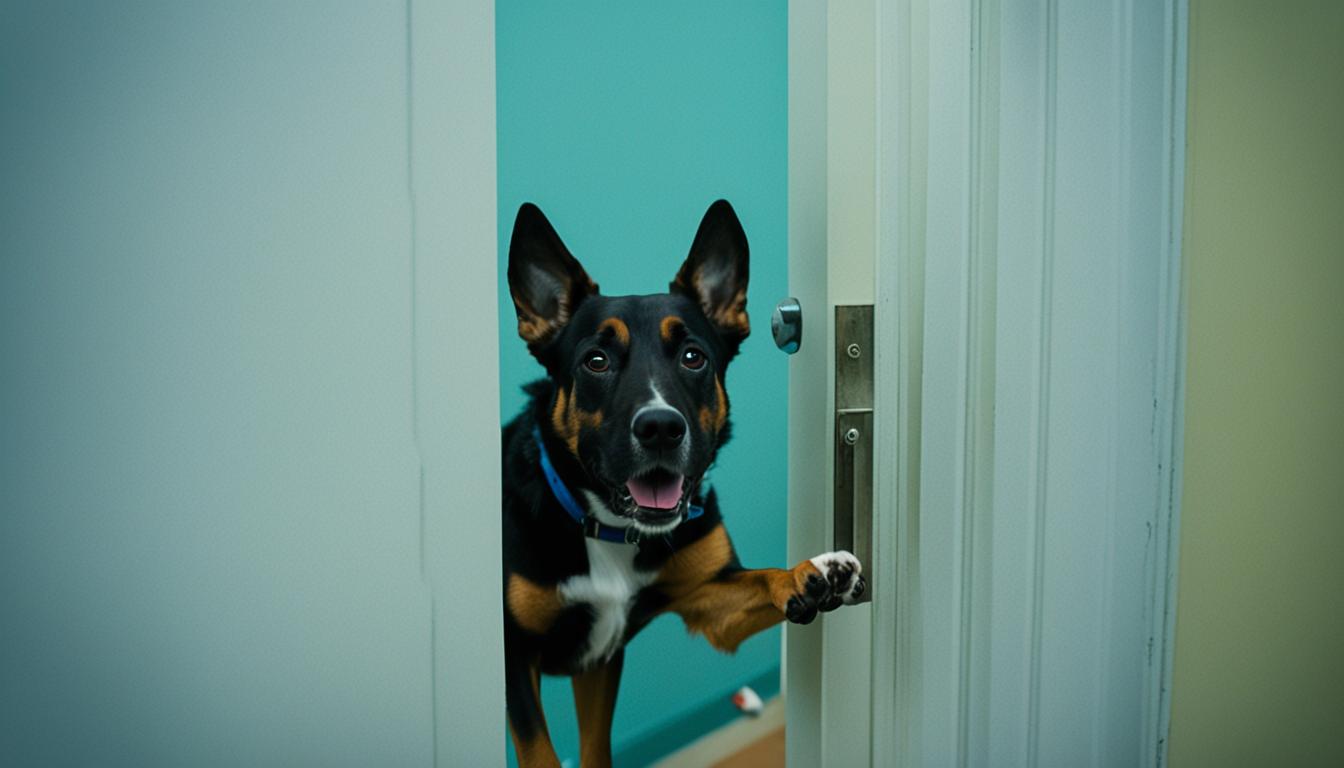
Behavior problems in dogs and what can cause them
Behavioral issues in dogs can have many different causes. Stress, boredom, changes in routine or environment, and anxiety are among the most common triggers. Some problems may also be linked to poor learning history, lack of stimulation, or an underlying medical issue. Common examples include house soiling, separation anxiety, escaping or running away, and excessive barking.
House soiling, for instance, may result from incomplete training, illness, or a change in the dog’s living conditions. Anxiety can show up through trembling, destructive behavior, constant barking, or clinginess. A dog that tries to escape repeatedly may simply need more physical exercise, more mental enrichment, or a calmer and more structured environment.
If a dog’s behavior becomes persistent, sudden, or difficult to explain, a veterinarian should be the first point of contact. Health issues can sometimes mimic or worsen behavioral problems. A canine behavior specialist can then help identify the underlying cause and suggest practical solutions tailored to the dog’s needs. In some cases, improved socialization, more predictable routines, and activities that challenge the mind can make a noticeable difference.
FAQ
What can it mean when a dog’s ears are pulled back?
Ears held back can have more than one meaning. In some cases, they suggest that the dog feels unsafe, especially if the body is tense or the dog is whining. In other situations, the same ear position can simply reflect excitement, such as when a dog is happy to see its owner again. The rest of the body language and the situation are essential for understanding what the dog is really communicating.
How should I interpret a dog’s body language?
A dog communicates through many different signals, including ear position, tail movement, eye expression, posture, licking, sniffing, barking, whining, and growling. Learning to recognize these signs makes it easier to understand the dog’s feelings and intentions and to respond in a calmer, more effective way.
What other body-language signs should I watch for?
In addition to ears held back, it helps to notice growling, barking, squinting, lip licking, yawning, tail position, and overall body posture. Each sign can mean something different depending on the context and on how the dog is holding itself as a whole.
What causes behavior problems in dogs?
Dog behavior problems can be caused by stress, boredom, changes in routine or environment, anxiety, and other factors. Common issues include house soiling, separation anxiety, running away, and excessive barking. Identifying the underlying cause is the best way to choose the right response, and a veterinarian or canine behavior specialist can help determine what is going on.
Source links
latest posts published

Pregnant Dog: How to Prepare for the Arrival of the Puppies?

Death and Inheritance Rights: Who Inherits Your Pet? What You Need to Know
Senior Dog Kibble: At What Age Should You Switch?

Which Dog Breeds Don’t Shed Hair?

Bringing Your Dog or Cat to the Casino: Is It Really Possible?

What Are the Most Beautiful Cat Breeds?

Why Does My Dog Close Its Eyes When I Pet Its Head?

How to Clean Your Cat’s Ears Without Stress

Sterilizing My Cat: The Real Pros and Cons