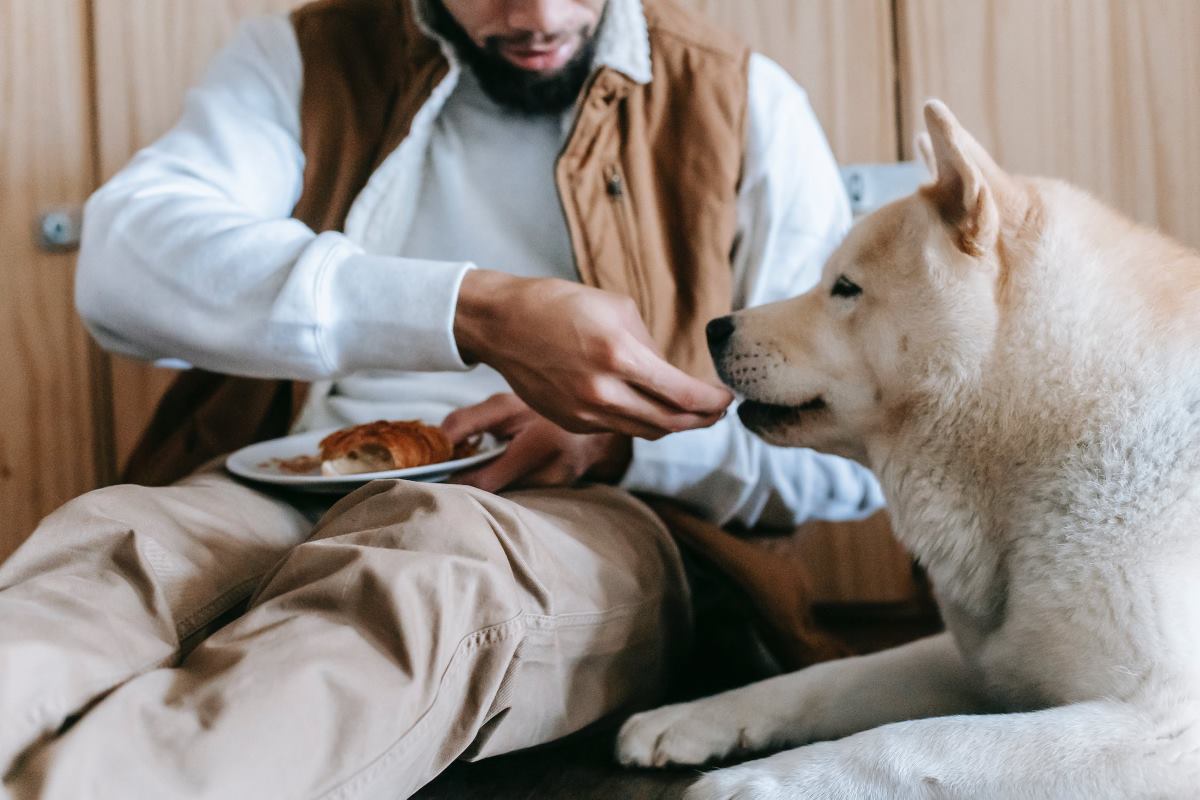

The smell of canine shampoo mixed with little nervous whines. The soft hum of clippers in the background. That very specific atmosphere of a dog grooming salon is something I know well now.
Yet the first time I took Luna, my golden retriever, to the groomer, I was sure it would be a simple errand. “She loves water,” I told myself. Big mistake. That day taught me that professional grooming has very little in common with a bath at home.
I learned that lesson through a few memorable mishaps and many good conversations with Sarah, my favorite groomer in Lyon. Today, I want to share the practical rules that turned grooming from a stressful appointment into a genuinely positive experience for my dog.
The hidden stress of grooming
Many owners assume their dog will naturally enjoy grooming. In reality, the experience is often much more nuanced. A salon is full of unfamiliar smells, sounds, people, and handling, and even a relaxed dog can become uneasy if the visit feels rushed or chaotic.
| Signs of stress | What it may mean | Immediate response |
|---|---|---|
| Excessive panting | Anticipatory anxiety | Arrive 10 minutes early |
| Trembling | Fear of the unknown | Schedule a short introductory visit |
| Refusing to move forward | Negative association | Use positive rewards |
The most common mistake is arriving in a rush, handing the dog over quickly, and leaving without giving them time to settle. In that situation, the dog has no reassuring landmarks to rely on, and the whole appointment can feel overwhelming from the start.
What went wrong with Luna, and what I learned
“Come on, Luna, time for your spa day!” I said brightly one February morning.
The result was a terrified dog hiding under the grooming table for twenty minutes. Sarah had to stop the session.
“She has never seen a professional dryer before,” she told me patiently. “To her, it sounds like a monster.”
That conversation changed everything. I finally understood that preparing a dog for grooming is much like preparing a child for a first day at school: the unknown becomes easier when it is introduced gradually and with reassurance.
From that day on, I stopped thinking of grooming as a purely cosmetic task. It became part of Luna’s well-being, something that needed preparation, patience, and trust.
My 5-step method for a smoother grooming appointment
Step 1: Start with a courtesy visit
Stop by the salon without an appointment so your dog can explore the space. Let them sniff around, observe the room, and receive a few calm interactions from the staff. A short, low-pressure visit can do more than you think.
Step 2: Rehearse at home
Get your dog used to the sound of a hair dryer, to paw handling, and to gentle touches around the ears and face. Five minutes a day is enough to build familiarity without turning the exercise into a chore.
Step 3: Choose the right time
Avoid peak hours if possible. A calm dog is easier to groom than a dog who has already been stressed by waiting, noise, and a busy reception area.
Step 4: Communicate clearly with the groomer
Mention any sensitive areas, fears, previous bad experiences, and the treats your dog responds to best. The more the groomer knows, the better they can adapt the session to your dog’s needs.
Step 5: Create a post-grooming ritual
Plan something pleasant afterward: a walk, a special treat, or a quiet cuddle session. Ending the appointment on a positive note helps the memory of the experience stay positive, too.
Did you know? A stressed dog tends to produce more sebum, which can make grooming more difficult and may also irritate the skin. Relaxation does not just improve the mood of the session; it can improve the result as well.
Details that make a real difference
After years of observing grooming sessions, I noticed that the smallest details often have the biggest impact.
Room temperature matters. If the salon is too warm, dogs pant more and become restless. If it is too cold, they tense up. Good groomers adjust the environment according to the breed, coat type, and season.
The order of the grooming steps matters too. Starting with less sensitive areas, such as the back or sides, often helps the dog relax before moving on to the paws and head. That gradual approach can reduce resistance and make handling easier.
Even the timing of the cut and the bath can change depending on the coat. Sarah explained it to me very simply: “For a poodle, I cut before the bath. For a golden like Luna, after. Otherwise, it is impossible to judge the final length properly.”
These are not dramatic secrets, but they explain why some grooming experiences feel smooth while others feel chaotic. A good session is often built from small adjustments made with care.
The trick that changed everything: building positive associations
Here is the method that made the biggest difference for us, inspired by a conversation with a dog behaviorist in Annecy.
Two weeks before the appointment, start a simple “treat-and-touch” routine. Each time you handle your dog’s paws, ears, or muzzle, or when you make a light noise with an electric appliance, reward them immediately.
The goal is not to force tolerance. The goal is to help your dog connect those sensations with something pleasant and predictable.
Local testimony: “Since owners started preparing their dogs with this method, I have 80% fewer incidents in my salon. It has completely changed the atmosphere.” – Marc, groomer in Toulouse
This approach can transform the entire grooming experience. Luna, who trembled during her first visit, now practically asks for her appointments. The change did not happen overnight, but it happened because the whole process became familiar instead of frightening.
Building long-term trust with the groomer
Regular grooming becomes much easier when it turns into a predictable routine. Your dog learns what to expect, and the groomer learns their preferences, sensitivities, and temperament.
Do not hesitate to ask questions, observe techniques, or ask for advice on coat care at home. That kind of respectful curiosity strengthens trust on both sides. It also helps you spot small issues early, before they turn into larger problems.
A dog who feels safe at the groomer is often easier to care for in other situations as well. Grooming can improve cooperation during veterinary visits, help your dog feel more comfortable around strangers, and contribute to better overall balance in daily life.
What matters most is not achieving a perfect salon experience on the first try. It is building a relationship that makes each appointment a little easier than the last. With time, patience, and a few good habits, grooming becomes less of a struggle and more of a regular moment of care.
latest posts published
Pregnant Dog: How to Prepare for the Arrival of the Puppies?
Death and Inheritance Rights: Who Inherits Your Pet? What You Need to Know
Senior Dog Kibble: At What Age Should You Switch?

Which Dog Breeds Don’t Shed Hair?

Bringing Your Dog or Cat to the Casino: Is It Really Possible?

What Are the Most Beautiful Cat Breeds?

Why Does My Dog Close Its Eyes When I Pet Its Head?
How to Clean Your Cat’s Ears Without Stress

Sterilizing My Cat: The Real Pros and Cons