

Owning a pedigree cat brings a special kind of joy to a home, but it also comes with responsibilities that go beyond the usual basics of cat care. Purebred cats can be more vulnerable to certain health issues because of their genetic background, which makes informed preparation especially important. Choosing the right breed is only part of the process; understanding how to protect, feed, and care for that cat is just as essential. The more you know about pedigree cats, the better equipped you are to give them a safe and healthy life.
Start by getting pet insurance
Pet insurance is one of the most useful tools for caring for a pedigree cat. For cat owners, an insurance policy for pets often includes treatment and medication costs needed in the event of illness or injury. Knowing that you do not have to face every veterinary bill alone can be a huge relief when an unexpected health problem arises.
Insurance also makes it easier to stay focused on your cat’s health and comfort instead of worrying constantly about what the final cost will be. Because pedigree cats may have extra needs, it can help cover additional expenses associated with their care, including more frequent veterinary visits or higher food costs when a specialised diet is needed.
In some cases, it can also provide access to discounted services such as routine check-ups and flea control. Those small savings can become particularly valuable over time, especially when you are caring for a cat with specific needs.
Vaccinate your cat against common diseases
Caring for a pedigree cat means keeping up with regular vaccinations against common diseases such as:
- feline leukaemia,
- upper respiratory infections,
- typhus.
Some vaccines need to be given more than once a year, so it is important to speak with your veterinarian about the schedule that best suits your cat. Your vet can also guide you on the most appropriate vaccinations for your pet, as well as deworming and flea treatments. Good nutrition and a clean living environment are equally important parts of maintaining your cat’s health.
Regular grooming should also be part of your cat’s routine. It helps keep the coat in good condition and gives you a chance to notice any problems before they become more serious. Just as important is giving your cat plenty of affection and attention. Even if the breed is known for being independent, a little warmth and interaction go a long way toward building a happy relationship.
Keep your cat indoors
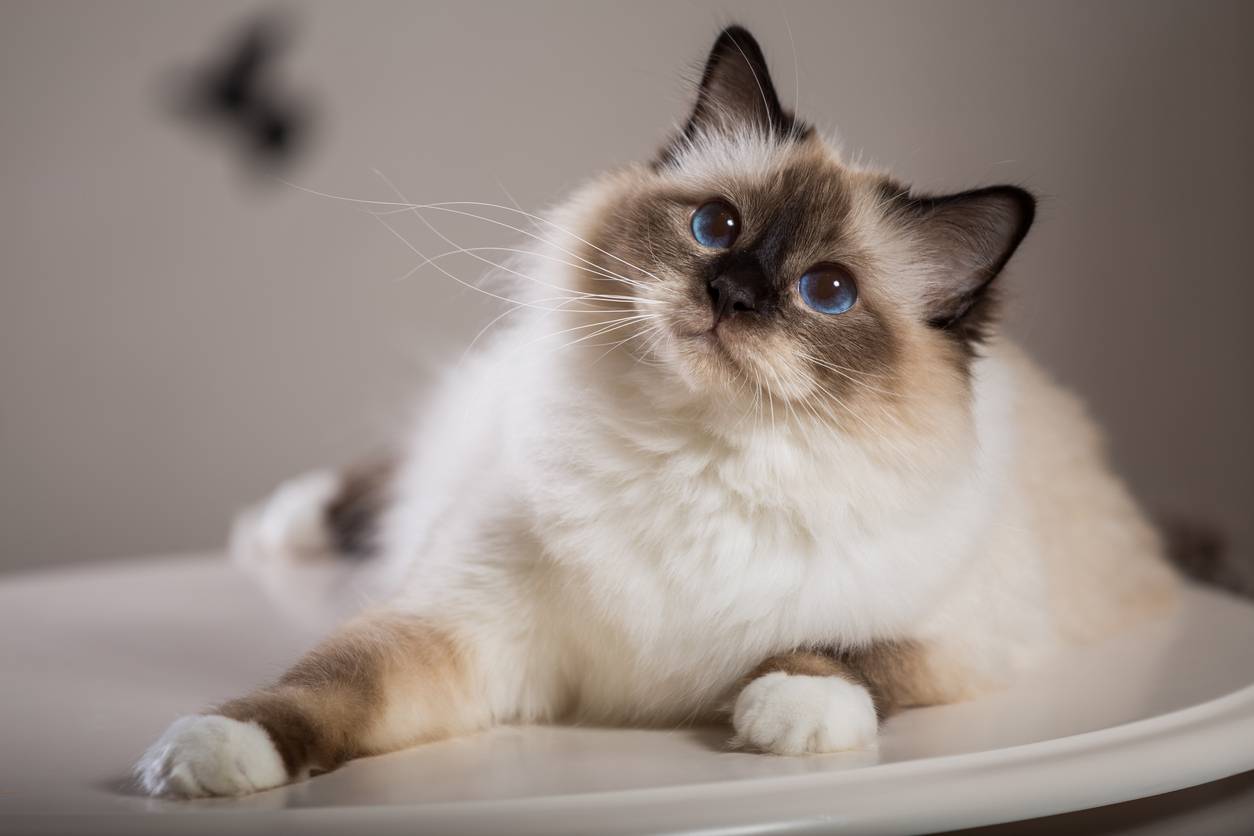
When it comes to pedigree cats, keeping them indoors is one of the most important steps you can take for their safety. Cats that roam outside or are left to wander freely face a much greater risk of being stolen or injured. Purebred cats are often more sought after, which unfortunately makes them more vulnerable.
By taking sensible precautions, you can protect your cat from theft as well as from other hazards such as cars, wild animals, and fights with other animals. Controlling your cat’s environment reduces exposure to these risks and gives you greater peace of mind knowing your pet is secure.
If you plan to travel with a pedigree cat, make sure its identification details are up to date and easy to check in an emergency. A safe indoor environment does more than reduce danger; it also helps your cat feel more secure, which supports overall well-being.
Learn what diet is best for your cat
Knowing what to feed your pedigree cat is essential for its health and well-being. Cats of certain breeds may be more prone to health problems linked to their genetic history. While it is not always possible to prevent these issues entirely, a balanced diet tailored to your cat’s specific needs can help manage them and reduce the risk of additional problems.
That is why it is important to choose food that matches your cat’s health profile and life stage. A carefully selected diet can support your pet through every stage of life and help maintain good condition over time. Pay close attention to your cat’s dietary needs, monitor them regularly, and choose its food thoughtfully. With the right nutrition, you can give your feline companion the strongest possible foundation for a healthy life.
latest posts published

Pregnant Dog: How to Prepare for the Arrival of the Puppies?

Death and Inheritance Rights: Who Inherits Your Pet? What You Need to Know

Senior Dog Kibble: At What Age Should You Switch?

Which Dog Breeds Don’t Shed Hair?

Bringing Your Dog or Cat to the Casino: Is It Really Possible?

What Are the Most Beautiful Cat Breeds?

Why Does My Dog Close Its Eyes When I Pet Its Head?
How to Clean Your Cat’s Ears Without Stress

Sterilizing My Cat: The Real Pros and Cons