

Goldfish are among the most popular aquarium pets because they are attractive, active, and often seen as easy to care for. In reality, they need more than a bowl and a few flakes to stay healthy. A well-planned setup, regular maintenance, and a good understanding of their needs make all the difference. This guide explains how to care for a goldfish in an aquarium, with practical advice on tank size, filtration, feeding, water quality, plants, and day-to-day upkeep.
Choose the right aquarium and location
The first step is to provide enough space. A proper aquarium is essential to the well-being of goldfish, and a common recommendation is at least 50 liters per fish. That may sound generous, but goldfish grow much larger than many people expect, and some species can reach 30 cm. They also produce a fair amount of waste, so extra room helps keep the water stable and gives them space to swim naturally.
Where you place the aquarium matters just as much as the tank itself. Choose a quiet spot away from drafts, heaters, and direct sunlight. Sudden temperature changes can stress the fish and encourage algae growth. The aquarium should also sit on a strong, level surface that can safely support its full weight once filled. Avoid furniture that may warp over time, especially wooden pieces that are not designed for heavy loads.
Set up the filter, substrate, and decorations
Filtration is one of the most important parts of goldfish care. A good filter helps keep the water clean and supports a healthy environment by removing waste and promoting beneficial bacteria. Select a model suited to the size of your aquarium, and clean it regularly so it continues to work efficiently. External filters are often easier to maintain and more effective for larger aquariums, while internal filters can still work well in smaller setups.
The gravel or substrate at the bottom of the tank should be chosen carefully. Goldfish like to sift through the bottom as part of their natural behavior, so a fine, rounded substrate is best. Sharp or rough gravel can injure them, especially around the mouth and barbels. Before adding it to the aquarium, rinse it thoroughly to remove dust and debris.
Decorations can make the tank more interesting and give the fish places to explore and rest. Rocks, roots, and hiding spots help create a more natural environment, but every item should be smooth and safe. Avoid ornaments with sharp edges or narrow openings that could trap or injure your fish.
Use plants to create a more natural environment
Plants are not only decorative; they also contribute to a healthier aquarium. They help improve water balance by absorbing nitrates and releasing oxygen, while also making the tank feel more natural and stimulating for the fish.
Goldfish are known for nibbling on plants, so it is wise to choose hardy species that can withstand this behavior. Fast-growing and resistant plants such as elodea, vallisneria, and anubias are often good choices. Because goldfish may damage or uproot them, it is useful to monitor the plants regularly and replace them when needed. A tank with the right mix of plants can offer both visual appeal and practical benefits for water quality.
Feed goldfish properly
Feeding is one of the easiest areas to get wrong. A balanced diet is essential for growth, energy, and long-term health. Use high-quality pellets or flakes made specifically for goldfish, since these are designed to meet their nutritional needs. Variety is also helpful, and fresh foods can be included in moderation. Suitable additions include blanched vegetables such as spinach and peas, as well as protein sources like artemia and daphnia.
Goldfish should usually be fed twice a day, but only in amounts they can finish within 2 to 3 minutes. Overfeeding is a common mistake and can lead to digestive problems, cloudier water, and a buildup of waste in the tank. It is better to give a little less than too much, especially because goldfish will often keep looking for food even when they have had enough.
Maintain the right temperature and water quality
Goldfish do best in water kept between 18 and 22°C. They can tolerate slightly higher temperatures, but warmer water reduces oxygen levels and may cause them to breathe faster or become stressed over time. A thermometer is a simple but essential tool for checking the water regularly and making sure conditions stay stable.
Water quality is just as important as temperature. Test the aquarium regularly for ammonia, nitrites, and nitrates, since poor readings can quickly affect the health of your fish. Changing 20 to 30% of the water every two weeks helps keep the environment clean. When adding new water, use a water conditioner to remove harmful substances such as chlorine. Consistent maintenance is far more effective than waiting until the tank looks dirty.
Keep up with general aquarium maintenance
Regular upkeep is the key to preventing most common problems. Clean the glass, decorations, and substrate as needed, using a soft brush and a net where appropriate. The filter should be checked often to make sure it is working properly, and the filter media should be replaced when necessary according to the equipment’s instructions.
It is also useful to observe the aquarium as part of your routine. Small changes in water clarity, fish behavior, or the condition of the plants can signal that something needs attention. A well-maintained tank is not only healthier for the fish but also much easier to manage in the long run.
Understand the social and behavioral needs of goldfish
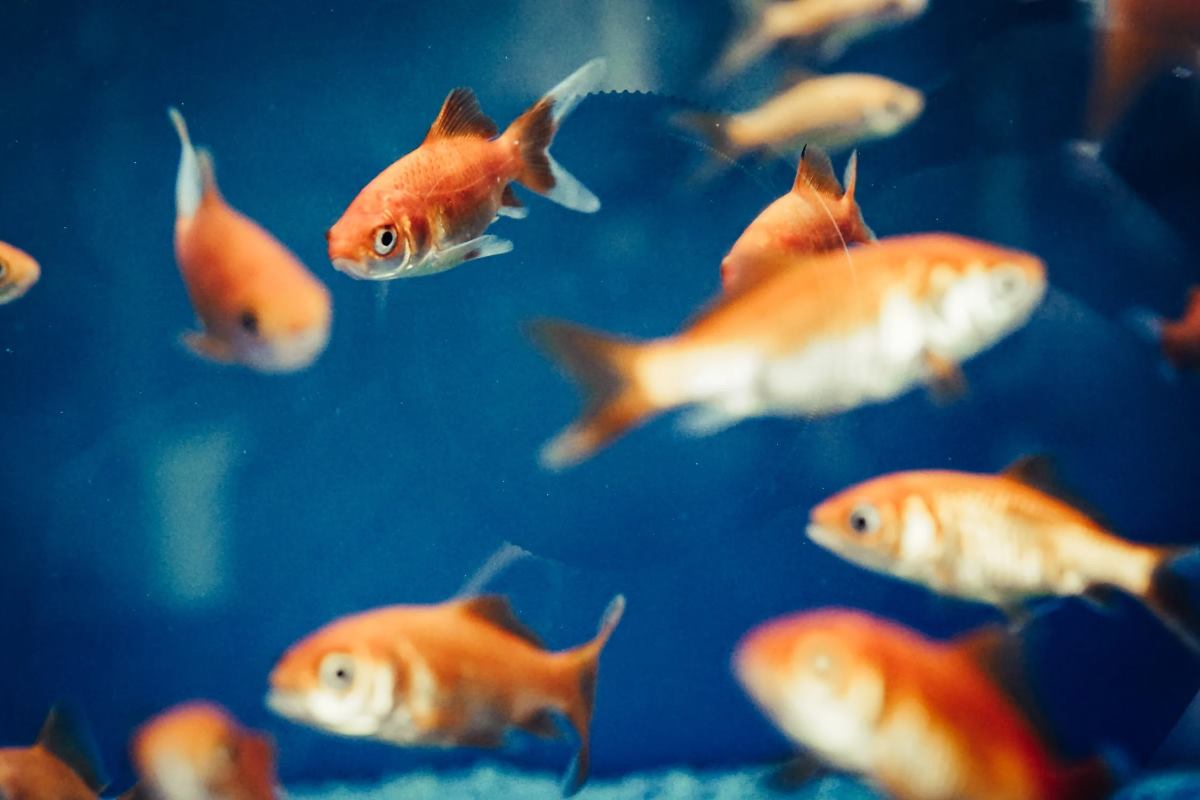
Goldfish are social animals and generally do better when kept with others of their kind. A pair is often recommended so they can interact and display more natural behavior. At the same time, the aquarium should never be overcrowded. Too many fish in too little space increases stress, leads to poorer water quality, and makes illness more likely.
These fish also have clear behavioral habits. They like to search through the substrate, swim at different levels of the tank, and explore their surroundings. A varied environment with plants, decorations, and open swimming areas helps encourage these natural behaviors. The goal is not just to keep them alive, but to give them a setting in which they can remain active and comfortable.
Prevent and spot health problems early
Goldfish can suffer from a range of health issues, many of which are linked to poor water quality, unsuitable conditions, or an unbalanced diet. Stress can weaken their immune system and make them more vulnerable to disease, so prevention is always the best approach.
Watch for warning signs such as:
- Unusual behavior, including lethargy, disoriented swimming, or breathing difficulties
- Loss of appetite
- Visible changes in appearance, such as spots, ulcers, or swelling
- Buoyancy problems, such as swimming upside down or staying constantly at the surface
If you notice any of these symptoms, it is important to seek advice from a professional or a veterinarian with experience in aquariophilie. Quick action can make a major difference, especially when the issue is related to water conditions or an early-stage illness.
Caring for a poisson rouge in an aquarium takes more than basic feeding. It requires attention to space, filtration, nutrition, temperature, plants, and regular cleaning. Social needs and behavior matter too, as does close observation of the fish’s health. When these elements are handled carefully, goldfish can live in a far more comfortable and stimulating environment.
With the right aquarium setup and steady routine, you can provide your fish with a stable home that supports both health and natural behavior. The most important habits are prevention, patience, and close attention to the small details that keep the tank balanced.
latest posts published

Pregnant Dog: How to Prepare for the Arrival of the Puppies?

Death and Inheritance Rights: Who Inherits Your Pet? What You Need to Know

Senior Dog Kibble: At What Age Should You Switch?

Which Dog Breeds Don’t Shed Hair?

Bringing Your Dog or Cat to the Casino: Is It Really Possible?

What Are the Most Beautiful Cat Breeds?

Why Does My Dog Close Its Eyes When I Pet Its Head?
How to Clean Your Cat’s Ears Without Stress

Sterilizing My Cat: The Real Pros and Cons