
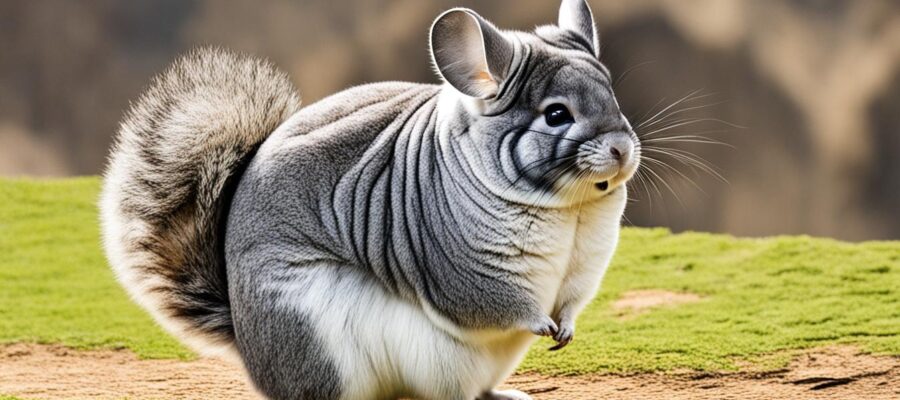
The Giant Chinchilla is a rare rabbit breed originally developed in Belgium. Known for its impressive size, calm temperament, and distinctive presence, it has long attracted the interest of breeders and animal enthusiasts alike. Below, you’ll find a clear overview of its origins, physical traits, behavior, habitat needs, diet, and reproduction, along with practical answers to the most common questions about the breed.
Key points to remember:
- The Giant Chinchilla is a rare breed from Belgium, with only about 5,000 individuals remaining.
- It can weigh an average of 6 to 10 kilos and measure around 80 cm, or even more.
- The Giant Chinchilla is generally gentle and affectionate, though it can also be stubborn and independent.
- It needs a spacious living environment suited to its size, as well as a specific diet to maintain good health.
- Breeding Giant Chinchillas requires special care and close attention.
Physical characteristics and behavior of the Giant Chinchilla
The Giant Chinchilla stands out immediately because of its size and weight. On average, it weighs between 6 and 10 kilos, although some individuals can exceed 13 kilograms. Its typical length is around 80 cm, but particularly large specimens may reach up to 120 cm. These proportions make it one of the most striking rabbit breeds, especially for people who are used to seeing smaller domestic rabbits.
Its life expectancy is around 10 years, though with proper care some may live up to 15 years. As with any large rabbit, long-term health depends heavily on appropriate feeding, enough space to move comfortably, and regular monitoring for potential medical issues.
In terms of temperament, Giant Chinchillas are usually docile, affectionate, and playful. At the same time, they can be independent and sometimes a little strong-willed. They generally do best with companionship and do not tolerate loneliness well, which means they should not be kept isolated for long periods.
The Giant Chinchilla needs a quiet environment to help reduce stress, which can contribute to long-term health problems. Because of its size, it also needs enough room to move, rest, and live comfortably without feeling cramped.
| Characteristics | Average values |
|---|---|
| Size | About 80 cm (up to 120 cm) |
| Weight | 6 to 10 kilos (up to more than 13 kilograms) |
| Life expectancy | About 10 years (up to 15 years with proper care) |
| Behavior | Gentle, affectionate, playful, but can have a strong personality |

Overall, the Giant Chinchilla is a fascinating animal, impressive because of its size and appealing because of its character. It is not a breed to approach casually: it needs thoughtful care, a suitable environment, and regular attention to remain healthy and thrive over time.
Habitat, diet, and reproduction of the Giant Chinchilla
The Giant Chinchilla’s living space must be adapted to its large body size, with enough room for it to move freely and comfortably. It can be raised indoors or outdoors, provided the environment meets its specific needs and protects it from stress and unsuitable conditions.
To support its health and overall well-being, its diet must be carefully balanced and suited to its nutritional requirements. A high-quality feeding plan should include fresh hay, specific rabbit pellets designed for chinchillas, and a varied selection of fresh vegetables and fruits. The goal is not simply to feed the animal, but to provide a diet that supports digestion, weight control, and long-term vitality.
Reproduction also requires special care. Males reach sexual maturity at around 6 months, while females do so at around 8 months. Gestation lasts about one month, and females can give birth to litters of 6 to 10 babies. It is recommended to separate rabbits before breeding and to consider castration or sterilization to help prevent health and behavioral problems.
Because the breed is rare, responsible breeding is especially important. Pairing should not be rushed, and the health and compatibility of the animals should always come first. Proper management helps protect both the parents and the young, while also supporting the long-term preservation of the breed.
FAQ
Where does the Giant Chinchilla come from?
The Giant Chinchilla originated in Belgium, specifically in the Flanders region. It came from a crossbreeding program involving wild rabbits at the end of the 19th century.
Why was the Giant Chinchilla originally bred?
Traditionally, the Giant Chinchilla was bred for meat, since a single animal could feed an entire family.
How many Giant Chinchillas are left today?
Today, the Giant Chinchilla is considered endangered, with only about 5,000 individuals remaining.
What are the physical characteristics of the Giant Chinchilla?
The Giant Chinchilla can weigh an average of 6 to 10 kilos, with some specimens exceeding 13 kilograms. Its average length is about 80 cm, although some individuals can reach 120 cm.
What is the life expectancy of the Giant Chinchilla?
The Giant Chinchilla lives for around 10 years on average, although some specimens can reach 15 years with good care.
What is the Giant Chinchilla like in terms of behavior?
The Giant Chinchilla is gentle, affectionate, and playful, but it can also be quite independent. It needs companionship and generally prefers to live with another rabbit.
At what age does the Giant Chinchilla reach sexual maturity?
For the Giant Chinchilla, sexual maturity is reached at 6 months for males and 8 months for females.
How many babies can a female Giant Chinchilla have?
Gestation lasts about one month, and females can give birth to litters of 6 to 10 babies.
What are the breed standards for the Giant Chinchilla?
The breed standards include a minimum weight of 5.5 kg and ear length between 16 and 21 cm. Thirteen colors are recognized in the breed, including the Chinchilla color.
What kind of habitat does the Giant Chinchilla need?
The Giant Chinchilla needs a habitat suited to its large size, with enough room to move around. It can live indoors or outdoors as long as the environment is appropriate.
What should the Giant Chinchilla eat?
The Giant Chinchilla’s diet should be adapted to its specific needs, with balanced food and appropriate ingredients.
What special health care does the Giant Chinchilla need?
Special attention should be given to the Giant Chinchilla’s health, including regular veterinary visits.
How much does it cost to adopt a Giant Chinchilla?
Adoption prices vary depending on breeders and the rarity of the breed.
Source links
latest posts published
Pregnant Dog: How to Prepare for the Arrival of the Puppies?
Death and Inheritance Rights: Who Inherits Your Pet? What You Need to Know
Senior Dog Kibble: At What Age Should You Switch?

Which Dog Breeds Don’t Shed Hair?

Bringing Your Dog or Cat to the Casino: Is It Really Possible?

What Are the Most Beautiful Cat Breeds?

Why Does My Dog Close Its Eyes When I Pet Its Head?
How to Clean Your Cat’s Ears Without Stress

Sterilizing My Cat: The Real Pros and Cons