
The essentials (TL;DR)
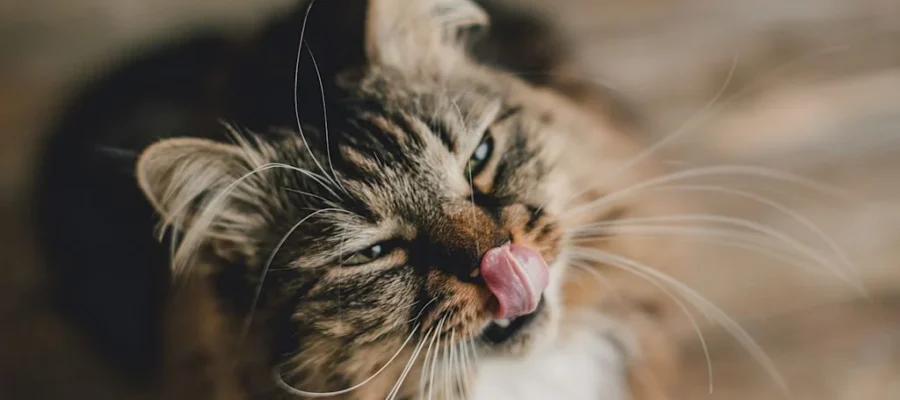
- A small amount of drooling can be normal in cats, especially when they are relaxed, happy, or excited.
- Dental problems, poisoning, and infectious diseases are among the most common causes of excessive drooling in cats.
- Stress, motion sickness, or certain medications can cause temporary hypersalivation, usually without serious consequences.
- If drooling appears suddenly and comes with vomiting, lethargy, swelling in the mouth, or neurological signs, a vet should be contacted urgently.
When should I worry if my cat is drooling a lot?
If your cat is drooling heavily, it may be a case of ptyalism, meaning excessive saliva production. This can have many different causes. In many situations, the reason is harmless, but in others it can point to a more serious health problem. That is why it is important to pay attention to any other symptoms that appear at the same time.
Excess drooling is usually easy to spot: saliva may run in strings, look thicker than usual, or appear foamy or sticky. It does not drain normally and may wet the chin or chest. Looking at its texture and color, and checking for blood or pus, can already provide useful clues.
If you are unsure, or if other signs appear such as lethargy, loss of appetite, bad breath, or pain, it is best to see a veterinarian. Only a vet can make an accurate diagnosis and recommend the right treatment. If the cause is behavioral, such as stress, fear, or excitement, specific support can also help improve the situation.
What illness could a drooling cat have?
Excess saliva can be linked to very different conditions, sometimes ones that have little in common.
Dental problems
Your cat may simply be suffering from mouth pain or inflamed gums. When a cat has pain in the mouth, unusual drooling is common. Saliva dripping from the mouth is never something to ignore. It can be related to cavities, periodontal disease, or a significant build-up of tartar and plaque.
Over time, these deposits can trigger gum inflammation and may develop into gingivostomatitis, a particularly painful condition that often causes hypersalivation. A cat may then hesitate to chew, pick through food, or even refuse to eat because of the pain. A loss of appetite and weight loss should raise concern.
If you notice a hard brown deposit on the teeth together with bad breath, a veterinary appointment is needed. The vet may recommend a scale and polish under anesthesia and, if some teeth are too damaged, extraction may be necessary to give your cat lasting relief.
| According to a ScienceDirect article, oral health was assessed in 34 free-roaming cats enrolled in a trap-neuter-return program. Only 38.2% of the individual cats had oral disease. Periodontal disease was present in 6 cats (17.6%). Four cats (11.8%) showed feline gingivostomatitis, and clinical evidence of Streptococcus (23.5%), Staphylococcus (17.6%), Neisseria (15.7%), and Pasteurella (11.8%) was reported. |
Your cat is suddenly drooling: poisoning may be the cause
Heavy drooling can also be a sign of poisoning. Cats are naturally curious: they explore their world with their nose and tongue. Sometimes all it takes is licking a contaminated surface or chewing on a plant to ingest a toxic substance.
Some indoor and outdoor plants are toxic to cats, and despite being decorative, they can pose a real danger. By chewing a leaf or licking sap, a cat may quickly develop symptoms, including hypersalivation. Plants often involved include:
- ficus
- poinsettia
- dieffenbachia
- lily
If drooling starts suddenly and is severe, especially if it is accompanied by vomiting, trembling, or lethargy, you must contact your veterinarian or the nearest veterinary poison center without delay.
Household products are another very common source of poisoning. Detergents, disinfectants, garden products, and some antiparasitic treatments can all cause digestive upset, neurological signs, and marked ptyalism.
Toxic venoms
Some animals can cause excessive drooling because of the toxins they release.
The natterjack toad (also called the calamite toad or common spadefoot in some contexts) secretes venom from glands behind the head as a defense mechanism. If a cat plays with it or takes it in its mouth, the toxin is released and comes into contact with the oral mucosa. The reaction is often immediate: the animal begins to drool heavily, shakes its head, and may show significant irritation in the mouth. A viper bite in a cat is also very dangerous.
In mild cases, hypersalivation is the main symptom. But if a larger amount of venom is absorbed and enters the bloodstream, general signs may appear in the hours that follow: vomiting, balance problems, abdominal pain, abnormal heart rhythm, or even seizures. The poisoning can then become severe and requires emergency veterinary care.
Processionary caterpillars are another major danger. Their microscopic hairs are extremely irritating and release a toxin on contact. If your cat licks or bites one, the tongue can swell very quickly and intense drooling appears.
In severe cases, tissue can die, causing irreversible damage that may even lead to partial amputation of the tongue. This is also an absolute veterinary emergency: the faster treatment begins, the better the chances of limiting lasting damage.
In a veterinary emergency, as well as after an accident or illness, cat health insurance can help cover up to 100% of veterinary expenses, depending on the plan chosen. It is worth looking into this in advance, because these situations can be difficult to predict.
Feline coryza
Feline coryza is a highly contagious respiratory disease, often compared with a simple cold, although it can be more serious than it first appears. It is caused by different respiratory viruses and may be worsened by secondary bacterial infections. Transmission happens easily through direct contact between cats, as well as through contaminated secretions or shared objects.
The symptoms are usually multiple and progressive. A cat may show:
- heavy nasal discharge,
- repeated sneezing,
- conjunctivitis with red or sticky eyes,
- fever,
- coughing,
- marked lethargy,
- loss of appetite may also occur.
In some cases, hypersalivation may be seen, especially if painful lesions develop in the mouth.
Prompt treatment is essential to avoid complications, particularly in kittens, older cats, or animals already weakened. The vet will tailor treatment according to how severe the symptoms are.
In the most severe forms, hospitalization may be necessary, with intravenous fluids to combat dehydration and support the body. Vaccination remains the most effective way to prevent coryza or reduce its severity in cats.
Feline typhus
Feline typhus, also known as feline panleukopenia, is a serious viral disease that mainly attacks the digestive system and the animal’s immune cells. The virus destroys the intestinal lining, which severely disrupts digestion and the cat’s overall condition.
An affected cat may show several symptoms: high fever, digestive problems, vomiting, sometimes severe diarrhea, loss of appetite, and marked lethargy. Excess saliva can also appear in some cases, particularly because of discomfort or digestive lesions.
With this disease, urgent veterinary care is essential. Treatment focuses on supporting the body, preventing dehydration, and fighting secondary infections, often with fluids and appropriate care.
Vaccination remains the most effective prevention against feline typhus. There are generally two types of vaccines, with an annual booster recommended to maintain optimal protection.
| As Des cœurs pour les pattes du 93 explains, “It is a highly lethal virus that mainly affects young stray cats. But it is a very contagious virus that can also affect owned cats. The virus can be brought in on shoes and cause gastroenteritis in cats. It can therefore affect indoor cats too. It is important to disinfect floors.” These remarks were reported by Cécile Pezotta, president of the association, on France 3. |
What behavioral causes can explain sudden excessive drooling?
Why does my cat drool a lot when it is happy or purring?
Sometimes a cat starts drooling when it is being petted or purring. In most cases, this is simply a sign of comfort and relaxation. When a cat feels safe, the facial muscles relax and saliva production may increase slightly.
This behavior is fairly common in some very affectionate cats. It is often linked to kneading with the paws, a gesture that reflects contentment and emotional security. As long as your cat remains active, eats normally, and shows no other symptoms, this mild hypersalivation is usually nothing to worry about.
Why does my cat or kitten drool when it is happy?
A cat may also drool when it feels a positive emotion or strong excitement. This hypersalivation is often tied to its natural predatory instinct: the sight of imaginary prey, a toy, or even a favorite food can stimulate the salivary glands.
This can also happen when a cat chews cat grass or becomes especially excited during play. In some particularly playful or affectionate cats, drooling may even accompany moments of joy or anticipation.
Why would my cat drool because of stress in the car?
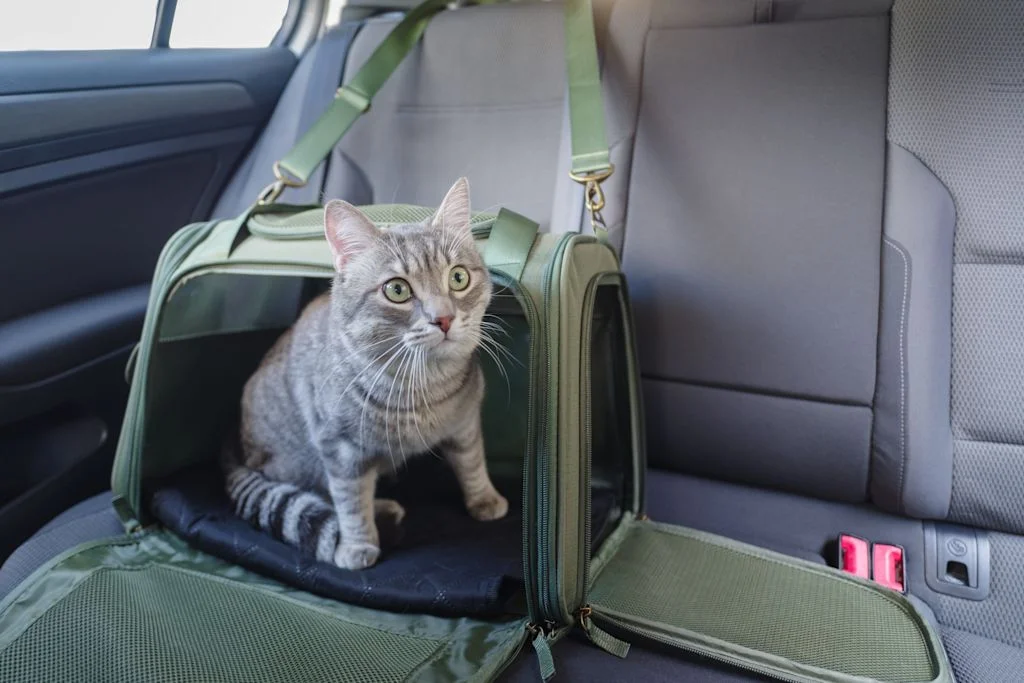
Stress is a common cause of hypersalivation, especially during car rides. Many cats are sensitive to travel, which can trigger anxiety, repeated meowing, heavy drooling, or even vomiting. This is often linked to motion sickness or fear associated with trips, for example visits to the veterinarian.
Heat can also make the situation worse. If left in a car, a cat may overheat because it sweats very little and cannot regulate body temperature easily. In these conditions, rapid breathing, pronounced panting, heavy drooling, and in severe cases convulsions or loss of consciousness may be seen.
This is a veterinary emergency. The cat must be removed from the vehicle, placed somewhere cool, and a veterinarian contacted quickly if symptoms continue.
Santévet tip: before a car trip, gradually accustom your feline friend to the carrier by leaving it open at home with a familiar blanket or a small toy inside. Associating the carrier with a safe space rather than only with departures can reduce stress and limit drooling during travel.
Other reasons that may explain drooling in cats
It swallowed a foreign body and vomited white foam
Cats are curious and playful animals, but their curiosity can sometimes put them in danger. They may accidentally swallow an object such as a piece of string, a thread, or a small item from their environment. If a foreign body gets stuck in the throat or digestive tract, it can cause hypersalivation as the animal tries to get rid of it.
Another common risk involves grass awns or foxtails, which are especially present in summer when grass is dry. These plant parts can lodge in the pharynx, nose, or throat and cause symptoms such as sneezing, coughing, difficulty swallowing, or heavy drooling. If the foreign body is not removed quickly, more serious complications such as lung infection or tracheal damage can occur.
In this situation, prompt veterinary care is essential. Removal is often done under anesthesia so the procedure is safe and the animal is not put in pain.
My cat is drooling a clear liquid that smells really bad
Some cats drool when exposed to an odor they find very unpleasant. Because their sense of smell is highly developed, a strong or offensive scent can trigger a defensive reaction. The cat may salivate more as a way to remove the unpleasant sensation.
This can also happen if the cat tastes or chews food with a flavor it dislikes. Saliva then acts as a natural reflex to try to expel the substance or clean the mouth. In that case, the hypersalivation is usually brief and harmless.
It drools after swallowing medication
When a cat has to take a tablet, it may sometimes struggle to swallow it. Contact between the tablet and the tongue or throat can trigger excessive saliva, especially if the medicine tastes unpleasant to the animal.
If this happens, you can offer a small tasty treat after giving the medication to make swallowing easier and reduce discomfort. Some veterinary products are also designed to make this less troublesome. The drooling is usually temporary and disappears soon after the treatment is given.
Side effects
If your pet is taking medication, excess saliva can sometimes be a side effect of the treatment. This, called ptyalism, may occur after tablets or injections.
Some medicines, including certain painkillers or neurological treatments, can cause temporary hypersalivation. If you notice this symptom after medication is given, check the leaflet and speak with your veterinarian. If needed, the vet can adjust the dose or suggest a better-tolerated alternative.
Treatment for a drooling cat depends mainly on the cause of the hypersalivation. If the problem involves the mouth, teeth, or a viral infection, a veterinary consultation is essential to establish the right diagnosis and provide suitable care.
Alongside medical treatment, some preventive measures can help reduce the risk of this symptom appearing.
| Situation | Recommended solution | Goal |
| Dental problems | Brushing the cat’s teeth (gradual training) | Limit plaque and tartar |
| Poor oral hygiene | Veterinary oral sprays | Improve mouth health |
| Stressful environment | Use of calming pheromones | Reduce the cat’s anxiety |
| Presence of dangerous plants or products | Store toxic substances safely | Prevent poisoning |
Training your cat to accept oral care should ideally begin when it is young, making tooth brushing easier to introduce. Oral products should always be used according to your veterinarian’s recommendations.
Need to speak with an advisor about this? Discover our pet health insurance offer to request a callback for your cat from one of our advisors.
Can cat saliva be dangerous for humans?
Cats sometimes lick their owners. When combined with purring, this is usually a sign of affection. They may lick your hands, your face, and even your hair.
People with weakened immune systems can be infected by the bacterium Capnocytophaga canimorsus. It can be present in the saliva of cats (or dogs), and if it gets onto a wound or broken skin, the risk can be real. The symptoms are similar to those of meningitis. The most effective prevention is hygiene: wash your hands with soap after your cat licks you or drools on you.
If you see a cat drooling, there is not always a reason to worry. This behavior is often normal. However, if your cat seems painful or behaves differently than usual, do not hesitate to seek veterinary advice.
Frequently asked questions
A dental cleaning for a cat usually costs between €80 and €150 in France. The price can vary depending on the clinic, anesthesia, and the condition of the animal’s teeth. If extractions are needed, the bill may exceed €200.
If the drooling comes with bad breath, loss of appetite, lethargy, or vomiting, a veterinary appointment is recommended as soon as possible. A consultation typically costs between €30 and €60 on average.
Yes, especially if the vet needs blood tests, a detailed oral examination, or X-rays. A full workup can cost between €50 and €150 depending on the tests requested.
No. If the cause is mild, such as stress, medication, or excitement, no major treatment is usually needed. Costs depend mainly on the condition identified.
Sources:
ScienceDirect article from September 2017: Oral disease and microbiota in free-roaming cats.
Statement by Cécile Pezotta, president of the association “Des cœurs pour les pattes du 93”: Feline typhus: how to protect your pet against this “highly lethal” virus? France 3 Paris Île-de-France, 26/09/2025
*WSAVA (World Small Animal Veterinary Association)
Santévet
Leader in pet health insurance
Photos: 123RF
-
 Fiches races de chiens17/09/2026
Épagneul bleu de Picardie
Épagneul bleu de Picardie: character, training, health, diet, grooming, and price. Everything you need to know…
Read the article
-
 Fiches races de chiens09/09/2026
American Chesapeake Bay Retriever
Discover the American Chesapeake Bay Retriever, its temperament, lifestyle, health, and more…
Read the article
-

latest posts published
Pregnant Dog: How to Prepare for the Arrival of the Puppies?

Death and Inheritance Rights: Who Inherits Your Pet? What You Need to Know
Senior Dog Kibble: At What Age Should You Switch?

Which Dog Breeds Don’t Shed Hair?

Bringing Your Dog or Cat to the Casino: Is It Really Possible?

What Are the Most Beautiful Cat Breeds?

Why Does My Dog Close Its Eyes When I Pet Its Head?
How to Clean Your Cat’s Ears Without Stress

Sterilizing My Cat: The Real Pros and Cons