This morning, while walking my dog Balto, a former shelter resident, I passed a woman who said, “What a beautiful dog! He’s lucky to have found you.” I smiled, but privately I was thinking the exact opposite.
Animal adoption organizations are full of extraordinary companions who are waiting for one thing: a second chance. Yet many people still hesitate to take that step, assuming these animals are damaged, difficult, or somehow less worthy of a home.
Understanding the work these organizations do shows why adoption can save two lives at once: the animal you welcome into your home, and the one who will benefit from the space that animal leaves behind. And there is a third life changed in the process: your own.
If you have ever wondered what really happens inside these shelters of the heart, here is a closer look at the people and animals who turn abandonment into a new beginning.
The hidden work of adoption organizations
Behind every animal offered for adoption is usually a painful story. Abandonment, neglect, mistreatment, accidents, illness, or major changes in a family’s life can all lead an animal to an association or shelter. These organizations do far more than simply house animals in need.
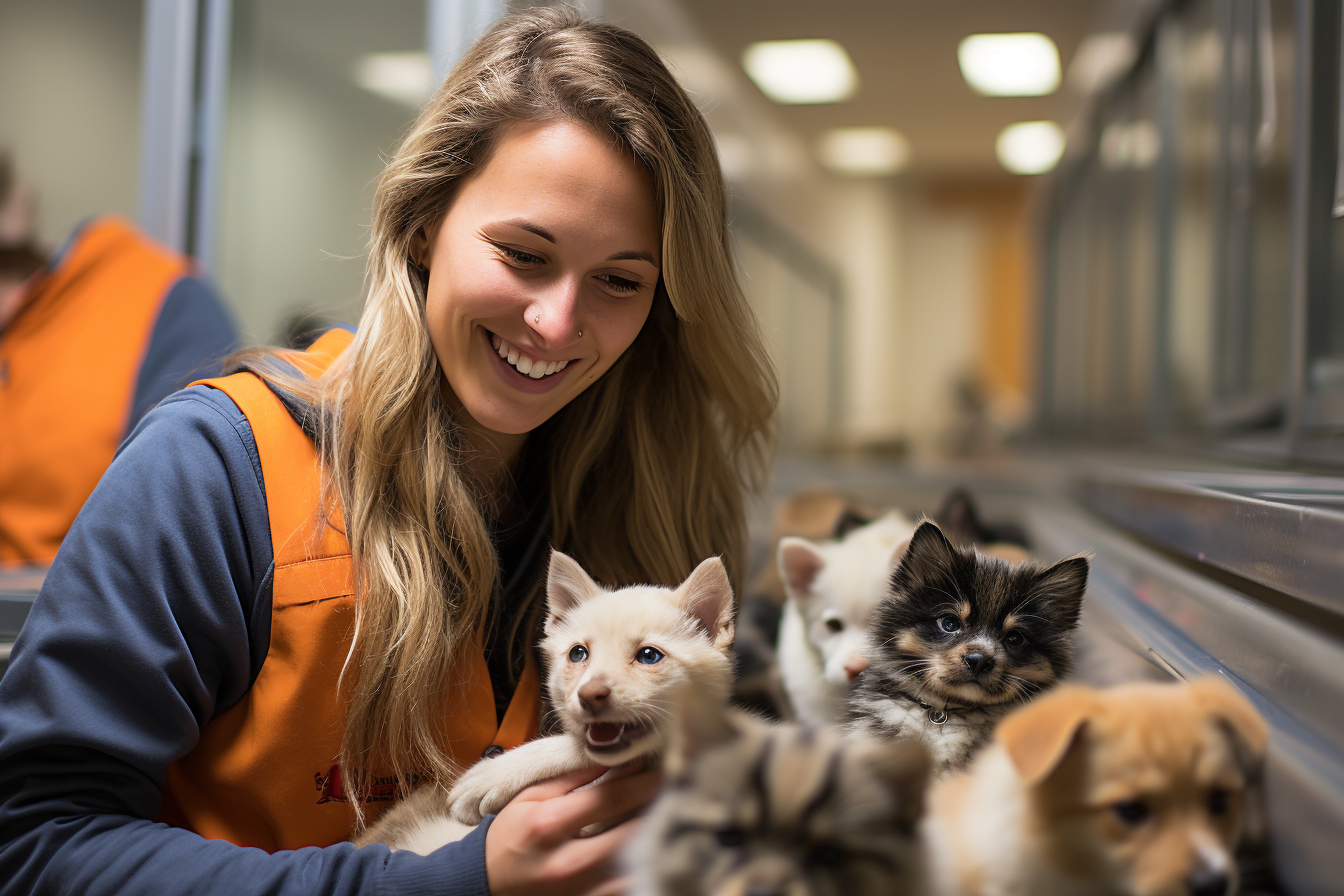
Dedicated volunteers and staff provide veterinary care, rehabilitation, and daily attention, while also offering the patience and consistency that frightened or confused animals need to recover. Some arrive anxious, withdrawn, reactive, or depressed. With time, structure, and gentle handling, many rediscover confidence and the ability to trust again.
Balto’s story is a perfect example. When he arrived at the shelter after being abandoned, he wanted nothing to do with people. He kept his distance, avoided contact, and seemed unsure whether humans could be trusted at all. Through the patient work of volunteers, he slowly learned that hands could be kind and that routines could be safe. Today, he is one of the most affectionate dogs I know.
That transformation is not unusual. It is one of the most important parts of what adoption organizations do: they do not simply wait for animals to be taken home. They help them become ready for a new life.
How to recognize a reliable organization
Not every animal adoption organization operates in the same way. A serious, well-run structure will ask detailed questions about your lifestyle, your home, your schedule, and what you are looking for in a companion. That is not a sign of suspicion. It is a sign that the organization cares about long-term compatibility.
When you visit, pay attention to a few practical indicators:
- The animals live in a clean, safe, and stimulating environment
- The team knows each animal well, including temperament, needs, and background
- Post-adoption support is available to help the transition go smoothly
The best organizations may even encourage you to come back more than once before making a decision. Adoption should never be rushed. A thoughtful match is better for the animal, better for the adopter, and far more likely to succeed.
Adoption is more than a sudden crush
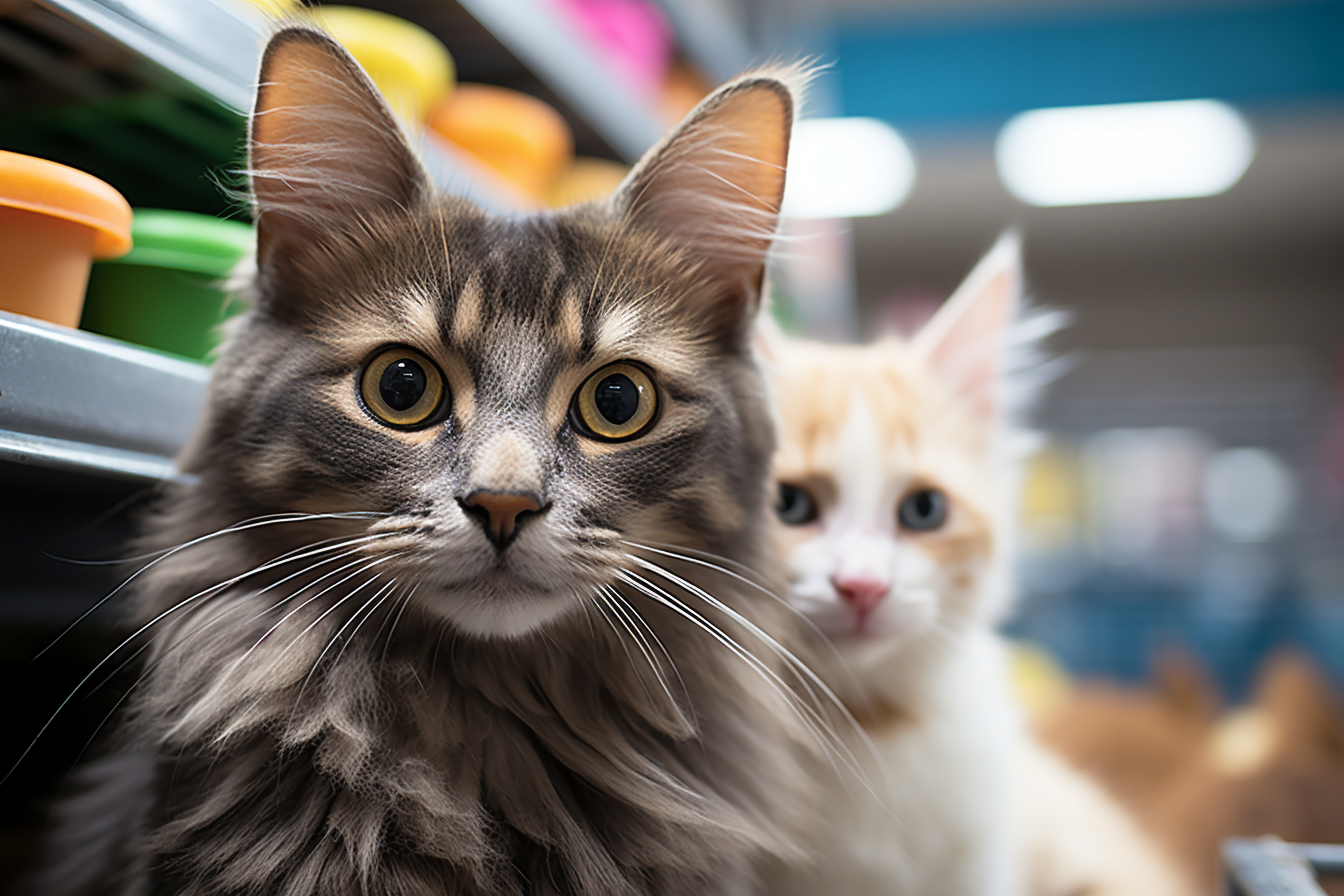
Adopting from a shelter is not the same as buying from a breeder. Shelter animals often carry the traces of what they have lived through, and those experiences shape their personalities. Some may be cautious at first. Others may be intensely affectionate from the moment they feel safe. Many are a mix of both.
That complexity is part of what makes adoption so meaningful. When a shelter animal chooses you, the bond can feel unusually deep. There is often a sense that the animal understands it has been given another chance, and responds with a loyalty that is difficult to describe unless you have experienced it yourself.
Friends who have adopted often talk about this connection. Sarah, who adopted an 8-year-old German Shepherd, told me, “Rex looks at me like I’m his hero.” Maybe he is not wrong. In many cases, adoption does feel like a mutual rescue: the animal finds a home, and the adopter finds a companion whose gratitude is visible in the smallest everyday moments.
Preparing your home and your heart
Adopting through an animal organization requires both practical planning and emotional readiness. The common idea that shelter animals are “broken” is simply not accurate. Most are not damaged; they are simply in need of stability, routine, patience, and time.
It is wise to expect an adjustment period of several weeks, and sometimes longer. A new animal needs time to learn the layout of the home, understand the rules, settle into a routine, and figure out whether the people around them are truly safe. Trust does not appear instantly, especially for animals that have already experienced loss or uncertainty.
Some shelters offer trial adoptions or foster-to-adopt arrangements, which can be helpful when compatibility is not yet obvious. These solutions reduce the risk of a rushed return and give both the animal and the adopter a better chance to settle in gradually.
Before bringing a new companion home, it also helps to prepare the basics in advance: food, water bowls, a resting space, a leash or carrier, and a calm environment for the first days. A simple, quiet start can make a major difference.
A new routine, a new relationship
One of the most beautiful things about adoption is how it changes the rhythm of everyday life. Walks, feeding times, play, training, and rest all become part of a shared routine. For many adopted animals, predictability is reassuring. For many humans, it becomes a source of structure, companionship, and joy.
Animals with difficult pasts often develop a remarkable sensitivity to human emotions. They notice tone, posture, and habits. They can become incredibly attuned to the household they join. That sensitivity is one reason the relationship can feel so powerful: the animal is not only living in the home, but learning to belong there.
Over time, trust grows in small ways. A dog that once avoided contact leans against your leg. A cat that hid under furniture begins to sleep in the same room. An animal that once seemed anxious starts greeting you at the door. These are modest moments on the surface, but they often mean everything.
Why adoption changes more than one life
When you adopt, you take part in a chain of good that extends beyond your own home. You offer one animal a family, while also freeing space for another animal in need. That practical effect matters, especially in organizations that are constantly managing limited room, limited resources, and a steady flow of new arrivals.
But adoption also changes people in quieter ways. It can soften routines, deepen empathy, and remind us that patience is often more important than perfection. Living with an animal who has had to learn to trust can be humbling. It asks something of you, but it also gives back far more than most people expect.
Animal adoption organizations are full of companions waiting for someone who will look past the label of “rescued” and see an individual personality, a history, and a future. Each one is hoping for a calm, loving place to land.
“Saving one animal may not change the world, but for that animal, the world changes forever.” If you are ready, adoption can be the beginning of that change. 🐾
latest posts published

How to Keep Bats Out of Your Home – rolunar
Which Cleaning Fish Can Help Maintain Ecological Balance in Your Aquarium? – rolunar
10 Easygoing Dog Breeds That Are Easy to Live With
Domestic Snake Insurance: Complete Guide 2026
What to Do When Your Cat Is Cold?
Constipated Dog: When Should You Worry, and What Should You Do?
When Dogs and Cats Fight at Christmas: Causes and Solutions
Why Are Cats Afraid of Cucumbers? The Truth
Animal Adoption Associations: Complete Guide 2026