
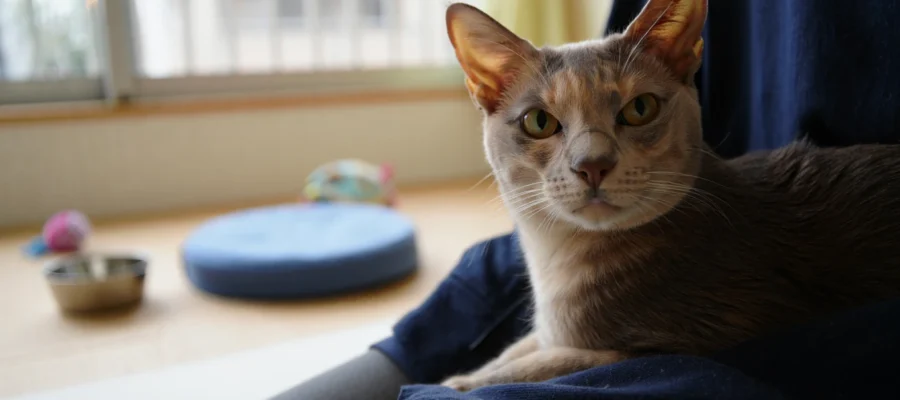
The plaintive meowing behind the shelter gate, the tiny paws reaching through the bars, that look that goes straight through you… and suddenly, you’re done for. It happens fast. But before you fall head over heels, do you actually know what adoption involves?
Adopting an animal is much more than an emotional impulse. It is also a legal commitment, and it can come with surprises if you are not prepared. Imagine losing the companion you just welcomed because a formality was overlooked. Or, worse, discovering that your landlord may not allow pets after all.
The good news is that a little preparation goes a long way. With the right information, you can avoid common pitfalls and give your future companion the safe, loving home it deserves. You can also stop second-guessing your rights the moment you fall for a small bundle of fur.
Here’s a clear, practical guide to help you understand the essentials before you adopt.
Have you ever experienced the stress of a failed adoption?
You probably know the feeling. You arrive at the shelter, meet the perfect cat, and within minutes it is curled up against you as if it has been waiting for you all along. You sign the papers with a full heart, and then reality hits: your landlord shows up with a lease that bans animals.
Now picture the scene. The little one is already in your arms, purring as if it has found home, while you are forced to bring it back. The confusion in its eyes, the guilt that settles in your chest, the sense that you should have checked sooner… it is an avoidable heartbreak, but it happens more often than people think.
That is why adoption should never be treated as a simple emotional decision. It is a life change that deserves a few careful checks before you take the leap.
What adopting a pet really means
When you adopt, you are not just bringing home a companion for the weekend or for a season. You are taking on responsibility for an animal’s health, safety, legal status, and daily needs. That includes food, veterinary care, identification, travel documents when relevant, and the practical reality of where the animal will live.
This is especially important if you rent your home, live in an apartment building with rules, or plan to travel with your pet. A cat or dog may seem easy to place in a home at first, but the long-term details matter. The adoption itself is only the beginning.
Thinking through those details in advance protects both you and the animal. It also helps avoid situations in which a loving decision becomes a stressful one because a requirement was missed.
What the law really requires
In France, these are the essentials you should never overlook:
Mandatory identification: Microchipping or tattooing is required for all dogs and cats over 4 months old. Without identification, the animal is not legally recognized in the way it should be.
Rabies vaccination: This is essential for travel and is often required by insurers as well.
Municipal declaration: For certain dog breeds, registration with the local town hall is mandatory and can lead to fines if ignored.
Respect for rental agreements: Always check before adopting. Some landlords are more pet-friendly than others, and lease clauses can make a big difference.
These points may seem administrative, but they are central to responsible ownership. They can also affect your peace of mind, your travel plans, and your ability to keep the animal in your home without conflict.
Did you know? In France, more than 100,000 animals are abandoned every year, often because people do not fully understand the legal and practical obligations involved. It is a devastating reminder that adoption should never be rushed.
My rescue of Pixel taught me everything the hard way
When I found Pixel, my ginger cat, in a street in Lisbon, I thought love would be enough. I was wrong. Between the required vaccinations, microchip identification, and the paperwork needed to bring him back to France, I discovered just how involved the process can be.
The most stressful moment came when I almost lost him at customs because I did not understand the rules around the European pet passport. Fortunately, a kind veterinarian helped me sort it out in time. Still, the anxiety was real, and it made one thing very clear: adopting an animal is also about preparation.
That experience changed the way I think about pet ownership. Affection matters, of course, but affection alone does not replace documents, deadlines, or legal requirements. When you know what to expect, you can focus on the joy instead of the panic.
How to prepare before bringing an animal home
If you want adoption to go smoothly, it helps to slow down and check a few practical points first. Start with your housing situation. If you rent, read the lease carefully and make sure animals are allowed. If you live in shared housing, ask about building rules as well.
Next, confirm the animal’s identification and medical status. Ask whether the microchip is registered, whether vaccinations are up to date, and whether any travel documents are needed. If you are adopting from abroad, make sure you understand the entry requirements before the animal leaves the shelter or foster home.
It is also wise to think about the first few weeks at home. Will you have enough time to help the animal settle in? Do you know which veterinarian you will use? Have you set aside money for food, litter, vaccinations, and unexpected care? These questions are not unromantic; they are part of responsible adoption.
In other words, the best adoption decisions are both emotional and practical. A good match is not just about chemistry. It is also about stability, readiness, and follow-through.
Staying organized after adoption
Once the animal is home, the paperwork does not stop. Vaccinations need tracking, parasite treatments need to be remembered, and documents may need renewal depending on the situation. Keeping everything in one place makes a real difference.
Since my experience with Pixel, I have used the app “Véto Malin” to keep all my reminders in order: vaccinations, deworming, and document renewals. It has made the administrative side much easier to manage and has spared me a lot of unnecessary stress.
Even if you prefer a notebook, calendar alerts, or a folder with printed records, the principle is the same: stay organized from the beginning. It is one of the simplest ways to protect your pet and avoid last-minute problems.
Adopt with confidence
Once you understand the legal basics and the practical responsibilities, adoption becomes far less intimidating. You are no longer relying only on instinct. You are making a thoughtful, informed choice that gives your future companion a real chance at a secure life.
That means fewer nasty surprises, fewer painful returns to the shelter, and a much better start for everyone involved. Adoption should begin with joy, not confusion.
If you are ready to open your heart, make sure you also open your eyes to the requirements that come with it. A little preparation now can prevent a great deal of heartache later.
latest posts published

Pregnant Dog: How to Prepare for the Arrival of the Puppies?

Death and Inheritance Rights: Who Inherits Your Pet? What You Need to Know
Senior Dog Kibble: At What Age Should You Switch?

Which Dog Breeds Don’t Shed Hair?

Bringing Your Dog or Cat to the Casino: Is It Really Possible?

What Are the Most Beautiful Cat Breeds?

Why Does My Dog Close Its Eyes When I Pet Its Head?
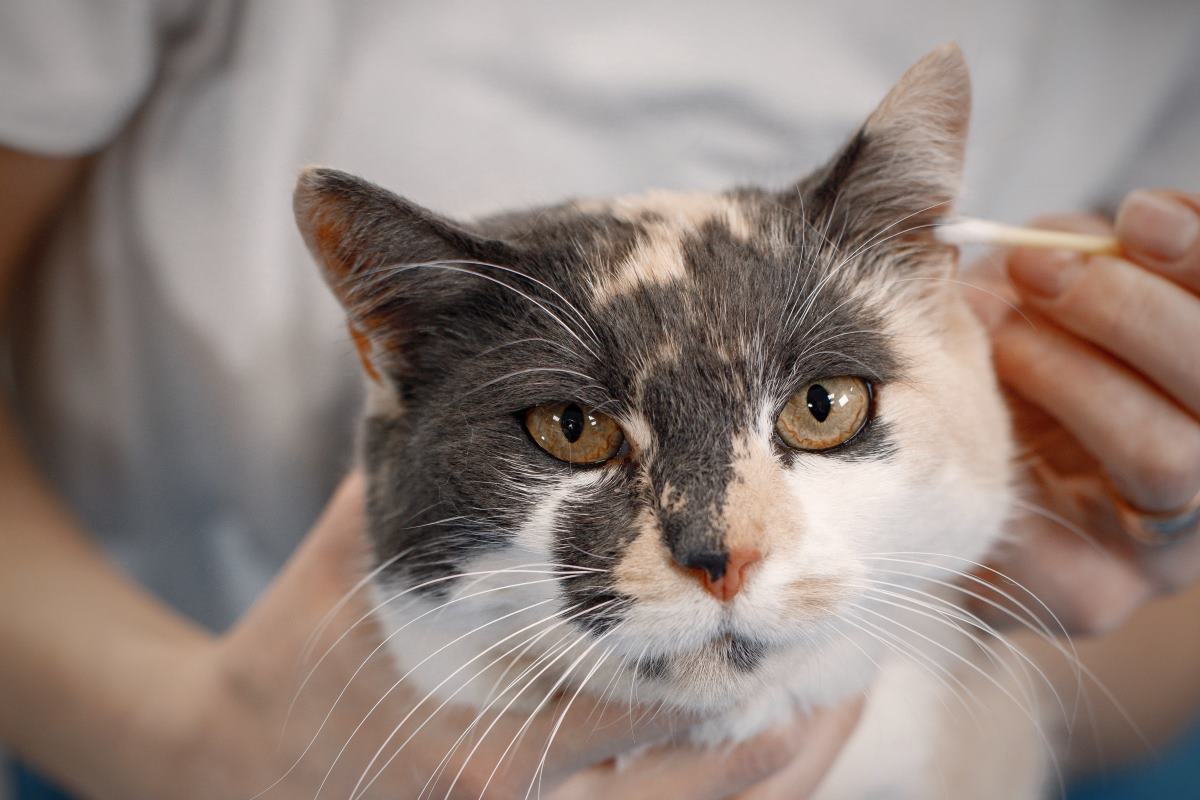
How to Clean Your Cat’s Ears Without Stress

Sterilizing My Cat: The Real Pros and Cons