
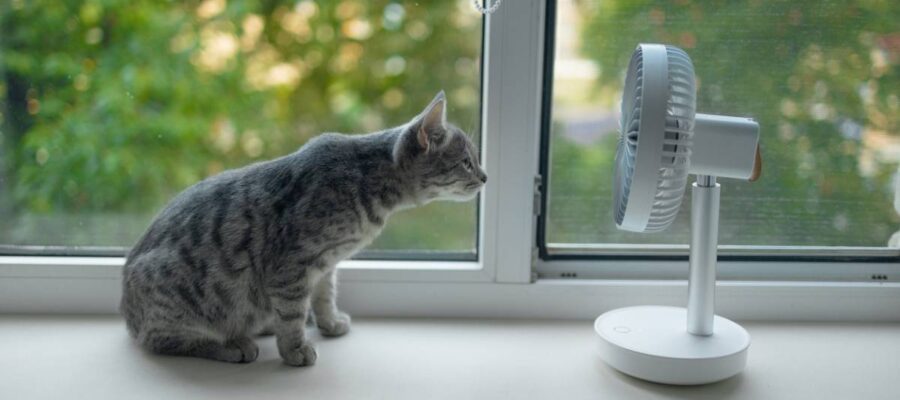
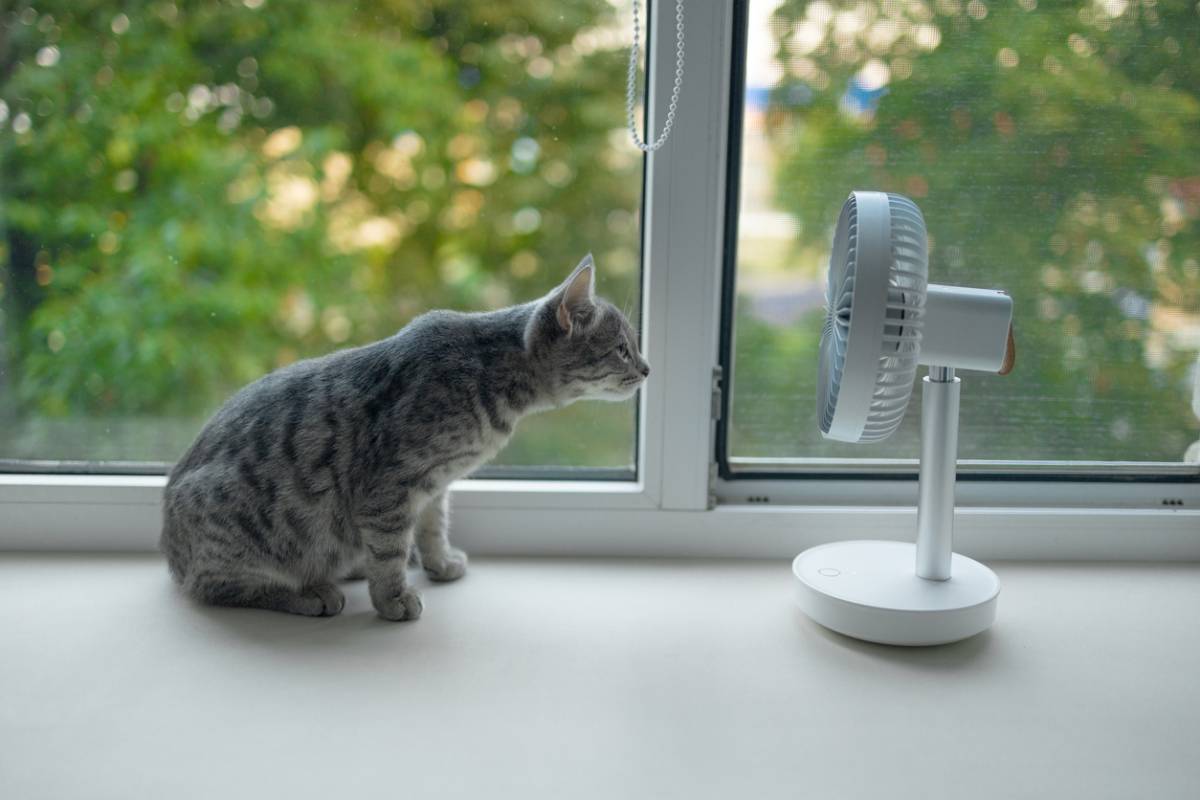
Cats are among the most beloved pets for both children and adults, and it is easy to understand why. They are useful companions around the home, not least because they help keep rodents away. They are also known for being pleasant, lively animals that adapt well to family life. Having a cat means sharing your home with a sociable, active companion whose well-being deserves attention throughout the year. During heatwaves, however, cats face specific risks that should not be overlooked.
Your indoor cat can suffer from heat just as much as any other animal
Summer now often means extreme heat, and high temperatures can quickly lead to dehydration. This also applies to cats. Like humans, they can struggle when the weather becomes too hot. Even though many cats descend from desert-adapted ancestors, they are still highly vulnerable to breathing difficulties and heatstroke when temperatures rise too much.
When a cat’s body temperature becomes unbalanced, it may develop discomfort, weakness, or, in severe cases, die. According to the specialists in veterinary products at Vetobest, older cats and sick cats are the most exposed to extreme heat. Kittens are also at risk because their immune defenses are not yet strong enough to cope with intense temperatures. A cat’s average body temperature usually ranges between 38 and 39.5 °C. If it rises above 41 °C, urgent veterinary care is strongly recommended.
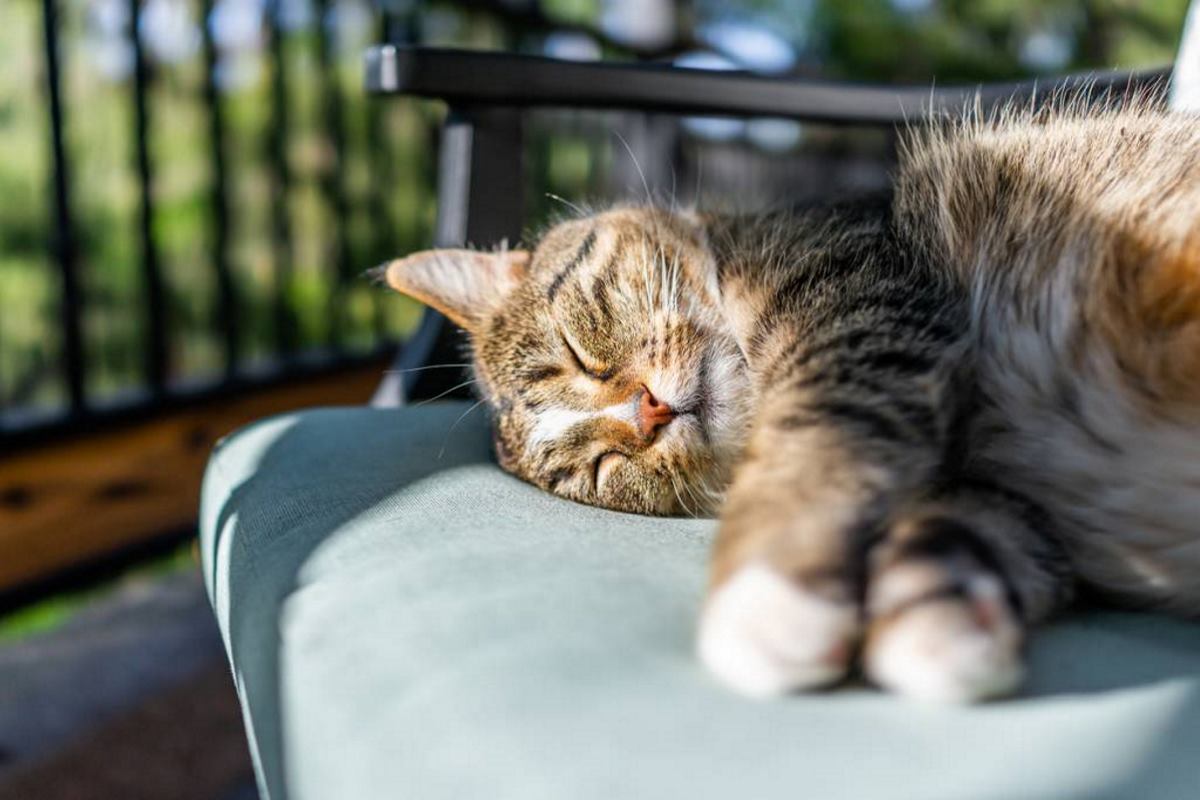
How can you help your cat stay cooler in summer?
Heatstroke can put a cat’s life at risk. During a heatwave, one of the most effective steps is to keep the rooms in the house as cool as possible. Lowering the indoor temperature helps create a safer environment for your cat’s body to cope with the heat.
Place your pet’s bedding and essentials in a well-ventilated area. Day and night, try to maintain this level of comfort so your companion can rest without additional stress. One of the first measures to prevent dehydration is to make sure your cat drinks plenty of water.
To encourage drinking, spread several bowls of fresh water around the house. You can also gently wipe or brush your cat’s coat with a damp towel. Repeating this a few times a day can help protect your pet from the worst of the heat.
Cooling mats, misters, and other pet products can also provide relief. Avoid strenuous play or exercise during the hottest part of the day, and do not leave your cat in a parked car under any circumstances, even for a short time. In summer, enclosed vehicles heat up very quickly and can become dangerous in minutes.
Signs of dehydration to watch for
The consequences of dehydration can often be prevented if you pay close attention to your cat’s condition. It is important to watch for warning signs such as faster breathing. When the weather is very hot, cats tend to breathe more quickly as they try to regulate their temperature. If your pet also has an elevated heart rate, it is essential to hydrate them as much as possible and seek advice if the symptoms persist.
Dehydration may also show up as muscle trembling and general weakness. A lack of muscle tone is common in cats during the summer months when they are struggling with the heat. Repeated panting is another sign that the cat may not be getting enough water. If possible, check the tongue and gums for any unusual color changes, since this can help you spot a problem early.
Because cats are often good at hiding discomfort, small changes in behavior can be significant. A cat that becomes unusually quiet, refuses food, seeks out cool surfaces, or seems less responsive than usual may be reacting to heat stress. Paying attention to these details can make a real difference, especially when temperatures remain high for several days in a row.
latest posts published
The dangers of heatwaves for your cat

Pregnant Dog: How to Prepare for the Arrival of the Puppies?

Death and Inheritance Rights: Who Inherits Your Pet? What You Need to Know
Senior Dog Kibble: At What Age Should You Switch?

Which Dog Breeds Don’t Shed Hair?

Bringing Your Dog or Cat to the Casino: Is It Really Possible?

What Are the Most Beautiful Cat Breeds?

Why Does My Dog Close Its Eyes When I Pet Its Head?
How to Clean Your Cat’s Ears Without Stress
