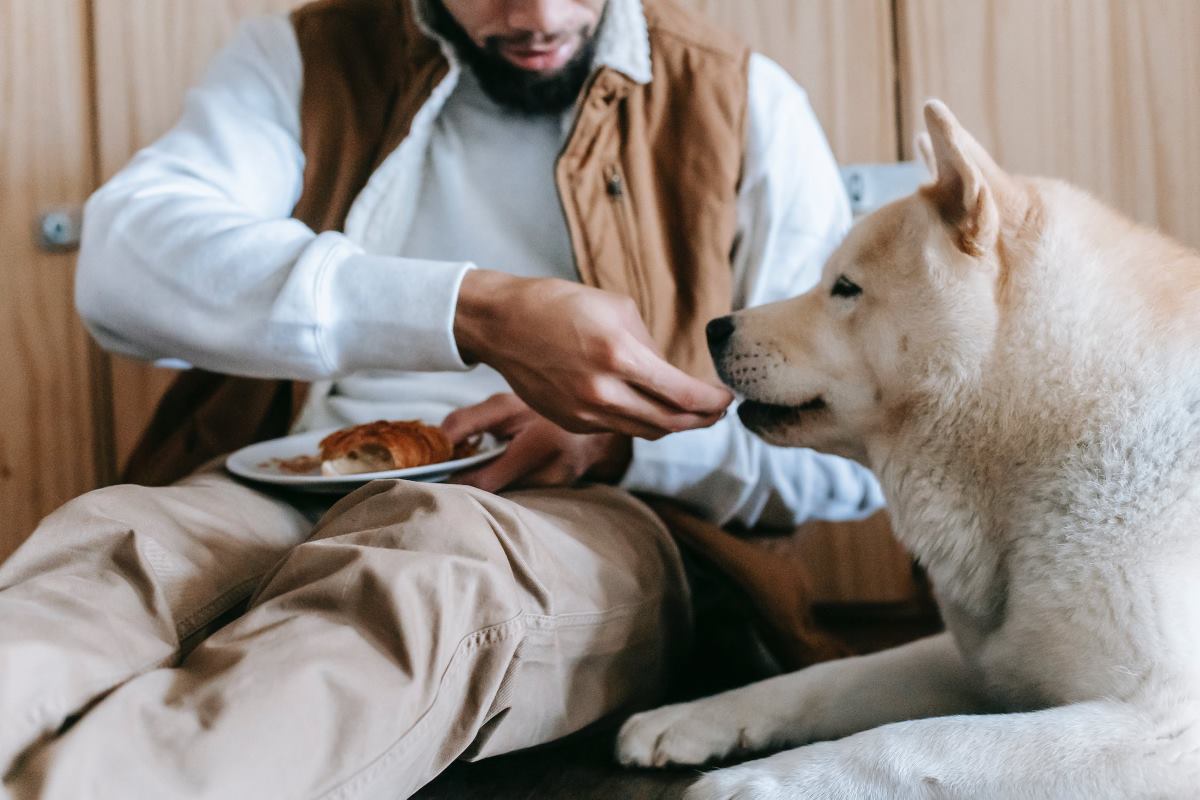

When Luna, my golden retriever, started trembling the moment she saw the veterinary clinic, I realized I had gone too far. Three visits in two months for “preventive checkups” had turned my well-meaning concern into something she clearly found frightening. My devotion to her health was beginning to work against her.
If you love your dog, you’ve probably asked yourself the same thing: how often should you take your dog to the vet without making them anxious for no reason? It can feel like a balancing act between staying responsible and not overreacting to every tiny change.
After months of observation, a few mistakes, and some much-needed guidance from my veterinarian, I learned that the answer is not “at the first doubt.” The right rhythm depends on age, health, and what your dog actually needs.
Here’s what helped me find a calmer, more practical routine.
The trap of over-vigilance
When you care deeply about a dog, every small change starts to look suspicious. Luna drinks a little more water? Time to call the vet. She leaves a few more kibble in her bowl than usual? Immediate appointment. Her expression seems a little off? I was already reaching for the phone.
The result was not better care, but more stress. Luna began associating the car with anxiety, and I ended up spending money on appointments that mostly ended with, “Everything looks fine, just keep an eye on her.”
My veterinarian finally said, with a smile, “Christianne, Luna is doing well. It’s you who needs reassurance.” It stung a little, but he was right. I was reacting to my own worry as much as to anything Luna was actually showing me.
The right pace depends on your dog’s stage of life
Once I stopped treating every odd moment as an emergency, I started following a schedule based on age and overall health. That made life easier for me and much less stressful for the dogs.
For a healthy adult dog, roughly 1 to 7 years old:
- One full veterinary visit a year, including vaccinations
- An additional checkup every six months if your dog has a specific issue, such as allergies or a medical history that needs monitoring
For a puppy under 1 year old:
- Visits every 3 to 4 weeks until around 4 months of age
- Then a check every 6 months during the first year
For a senior dog, over 7 years old:
- At least two visits a year
- Closer monitoring depending on the dog’s general condition
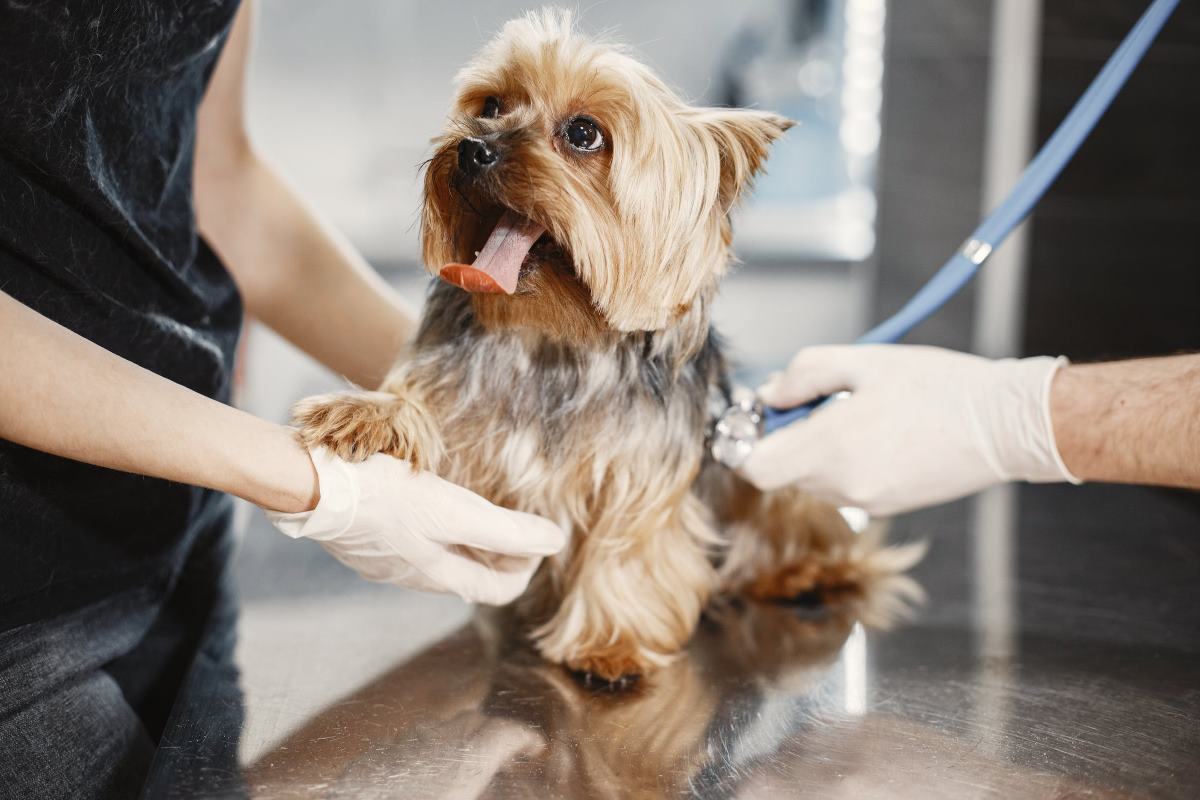
That schedule may sound simple, but it made a huge difference in practice. Luna is now 5 years old, and she only sees the vet once a year for her boosters. The best part? She walks into the clinic much more calmly than she used to.
Warning signs you should never ignore
One of the most useful things I’ve learned is how to tell the difference between an ordinary rough patch and a real warning sign. Some situations can wait a little. Others should not.
These are the signs that make me call immediately:
- Refusing all food for 24 hours
- Repeated vomiting, especially more than three times
- Obvious breathing difficulty
- Unusual lethargy that does not pass
- Visible pain, such as whining or persistent limping
For less alarming situations, I usually watch closely for 48 hours before deciding what to do. That short waiting period has spared me a lot of unnecessary panic, and in many cases, the problem resolved on its own.
Did you know? A dog can naturally go without food for one to two days without danger. In the wild, dogs do not eat every single day. I learned that when Max, my dachshund, turned his nose up at his kibble during a very hot weekend. In the end, he was simply regulating his body temperature.
A simple way to avoid unnecessary visits
For the past three years, I’ve kept a homemade health notebook for each of my dogs. I record their weight once a month, along with their appetite, behavior, energy levels, and any minor incidents. It’s not complicated, but it gives me a much clearer picture of what is normal for each of them.
That habit also helps me stay calm. If Luna seems more tired in summer, I no longer jump to the worst conclusion, because I can compare it with previous years. If Max is a little picky for a day or two, I can tell whether it’s a real change or just one of his quirks.
It has also improved the way I talk with the veterinarian. Instead of vague impressions, I can bring concrete observations. That makes appointments more useful, more focused, and far less stressful. It also helps avoid repeated visits for things that were never serious in the first place.
Trust your instincts, but stay grounded
Today, I know Luna will let me know when something is truly wrong. Her posture, her energy, the way she looks at me, the way she moves around the house—dogs are constantly communicating, even when they are not making a sound.
The key is to observe without spiraling, to keep notes without becoming obsessive, and to trust that a dog’s body often gives clear signals long before a situation becomes urgent.
That does not mean ignoring your instincts. It means learning to tell the difference between worry and evidence. A good routine, a bit of record-keeping, and a trusted veterinarian can make that much easier.
In the end, the healthiest approach is usually the simplest one: regular preventive visits, attention to real symptoms, and enough confidence to avoid turning every small change into a crisis.
latest posts published

Pregnant Dog: How to Prepare for the Arrival of the Puppies?

Death and Inheritance Rights: Who Inherits Your Pet? What You Need to Know
Senior Dog Kibble: At What Age Should You Switch?

Which Dog Breeds Don’t Shed Hair?

Bringing Your Dog or Cat to the Casino: Is It Really Possible?

What Are the Most Beautiful Cat Breeds?

Why Does My Dog Close Its Eyes When I Pet Its Head?
How to Clean Your Cat’s Ears Without Stress

Sterilizing My Cat: The Real Pros and Cons